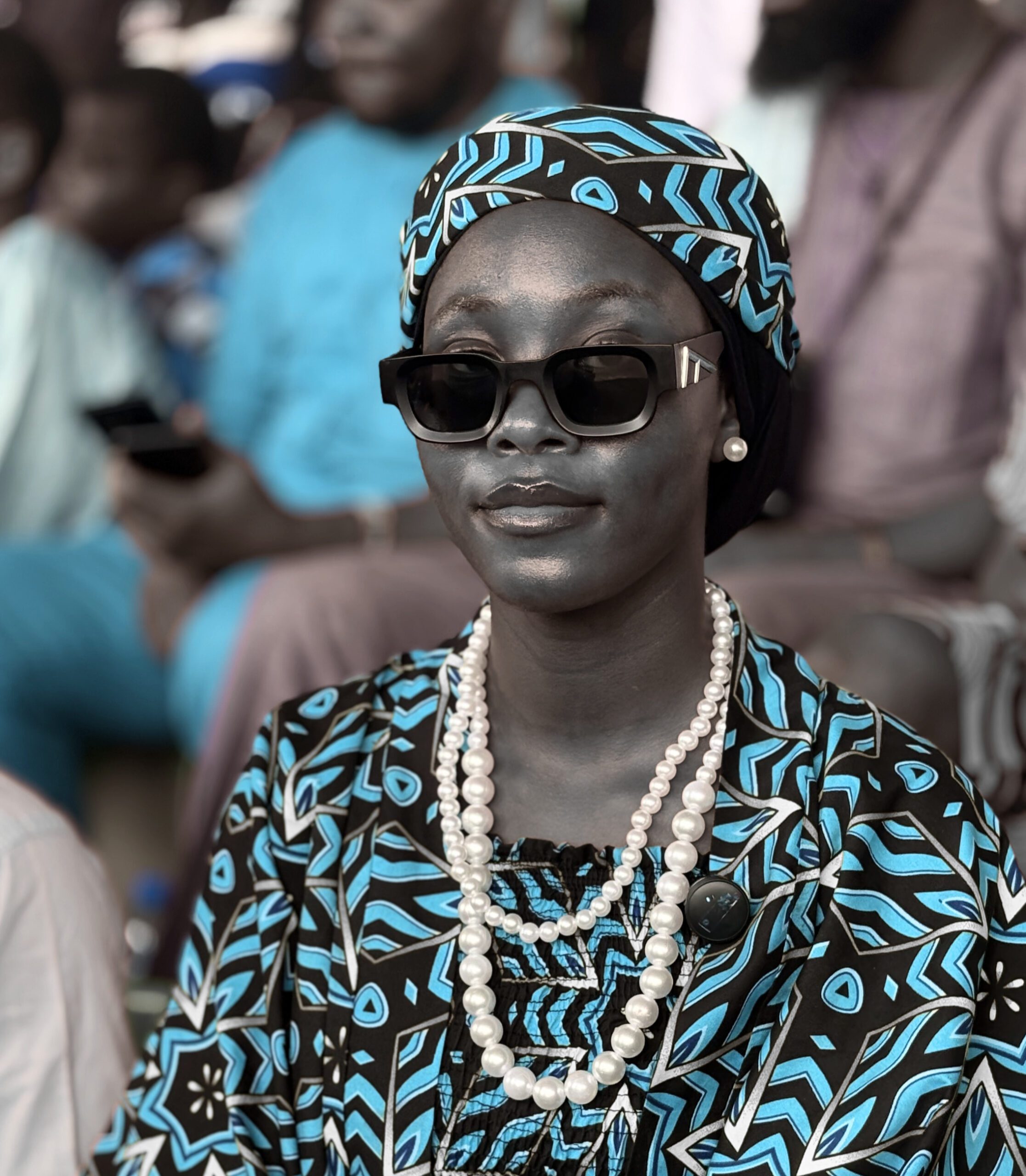
I am from Lekuti House in Ijebu-Ode. For as long as I can remember, Ojude Oba has been part of my life. Growing up, the festival was one of the few days in the year that felt larger than the town itself. It was the day everyone dressed up, family members returned home, and the streets suddenly seemed too small for the number of people pouring into them. As a child, I did not fully understand the history behind the festival. What drew me there every year was the excitement.
I looked forward to the horses.
There was something magical about watching them emerge from the crowd. The riders always looked larger than life, dressed in flowing agbadas and colourful fabrics, surrounded by drummers and praise singers. To me, they were like characters from stories stepping into the real world. Long before they arrived, you could hear the excitement spreading through the crowd. People pointed, shouted, and craned their necks for a better view. Then the horses would appear, and for a few moments everyone seemed united by the same sense of wonder.
When I think back to those early years, I remember a much smaller festival. The crowds were nowhere near what they are today. There was less media attention, fewer cameras, and certainly less of the glamour that now surrounds Ojude Oba. Yet even then, there was a strong sense of pride in being there. It felt like something that belonged to us.


Over the years, I have watched the festival grow into something much bigger. The organisation has improved significantly, and each edition seems more elaborate than the last. The crowds are larger, the displays more coordinated, and the attention from people outside Ijebuland continues to increase. What was once primarily a local cultural celebration now attracts visitors from across Nigeria and beyond. Every year, it feels as though another layer is added to the experience.
Still, despite all the changes, I find myself excited by the same thing that captivated me as a child. I still wait for the horses.
Whenever they enter the arena, I am reminded of why I fell in love with the festival in the first place. They represent tradition, elegance, and continuity. They connect the present to the past in a way that few other parts of the celebration can. Watching young riders join the procession today also gives me hope that the tradition will continue long into the future.
In fact, if there is one thing I would love to see happen, it is the creation of a dedicated horsemanship and cultural display for children. Just as the regberegbe groups provide a space for adults to participate and showcase their identity, I believe young people should have something similar. It would create a stronger connection between children and the traditions they are inheriting. More importantly, it would allow them to become active participants rather than spectators.
Perhaps that is why Ojude Oba remains special to me. It is not simply a festival that I attend every year. It is a tradition I have grown up with, one that continues to evolve while holding on to the things that matter most. And every year, somewhere in the crowd, I still find myself waiting for the horses.

As narrated by: Ibipeju (Ijebu-Ode, Nigeria).
Discover more from Chronycles
Subscribe to get the latest posts sent to your email.

Published by