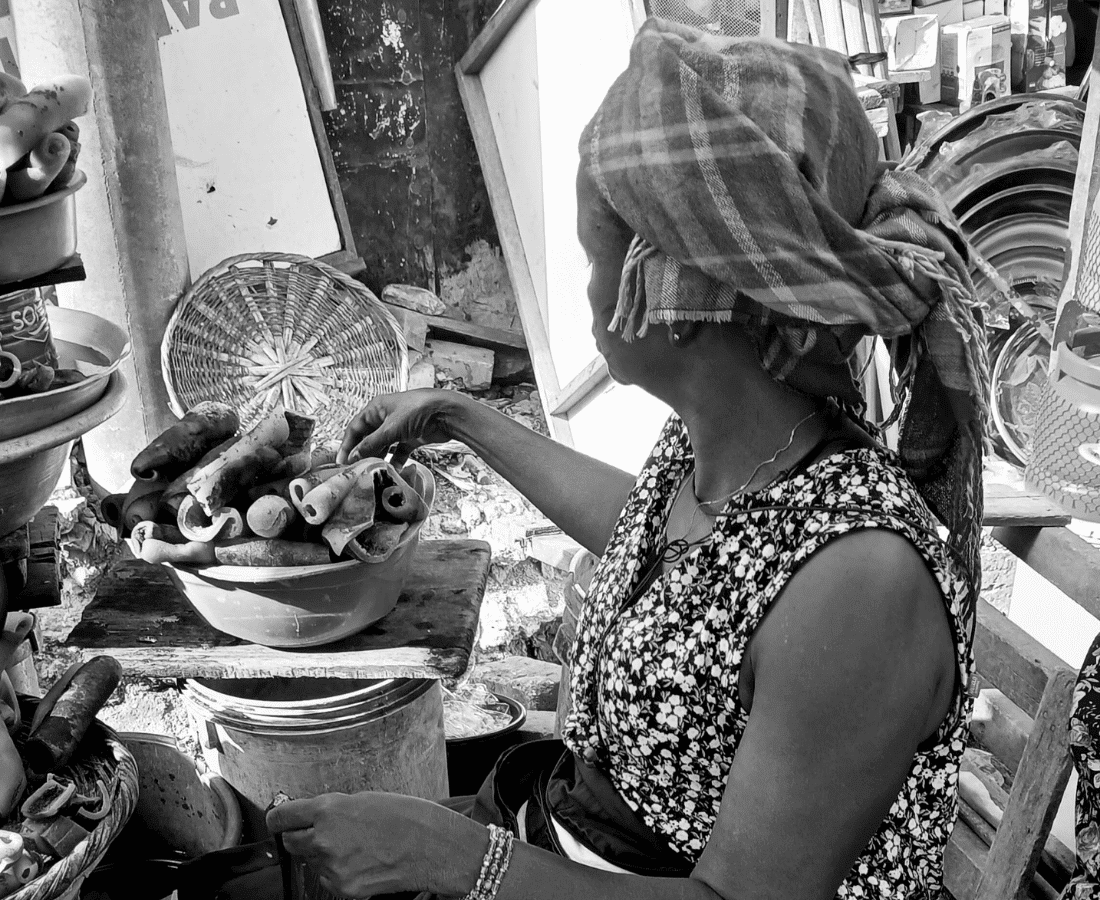
I am a roadside trader. I also sell ready-to-eat items. I was born in Lagos and have been living in the city.
This business has been my main source of living for many years. It is small, but the effort is heavy because everything is manual — sourcing, processing, and selling.
When I first started, I was almost invisible. But the moment I became constant in one location and customers began to know me, I started attracting attention — not just from buyers, but from collectors. The real pressure began when enforcement activities increased in my area.
I cannot actually name all the agencies. Some identify themselves as local government officials, some as sanitation task force officers, while others simply say they are “in charge of the street.”
What makes it complex is that their appearances are not regular, and their identities are not always clear. Sometimes they come in numbers; sometimes they don’t. All that is known is that they come at some specific periods.
I cannot give an exact amount because it changes. There are daily collections, monthly payments, and occasional unexpected demands that could arrive.
I would say I deal with different types of levies, but in reality, it feels like more because they do not come at the same time or under one structure. This is really affecting me, my livelihood, expenses and the fact that the economy is not friendly worsens the situation.

There are days I receive a small ticket or paper as proof of payment. Other times, nothing is given. You just pay and move on.
The problem is that those small tickets are not reliable because other people could come around later and demand payment again, even if you show them proof. You may settle one group in the morning, and before the day ends, another group arrives asking for something very similar. When you explain that you have already paid, they dismiss it and insist theirs is different. At that point, you are forced to pay again to avoid trouble because it would cost you more if refused.
My business is daily and not like bigger ones that calculate monthly expenses. I hardly calculate my monthly expenses. I earn ₦5,000 to ₦10,000 daily and sometimes, it could be higher.
On some days, I pay tax collectors between ₦500 and ₦1,500. On other days, it can go beyond that. When you add everything up over time, it becomes a serious load and this affects the business.
But because my income is not fixed, I cannot give a precise monthly or yearly estimate. What I know is that it takes a noticeable portion of my earnings.
Refusing to pay is not a simple decision. You risk losing your goods, your selling spot, or even your daily income. They can disrupt your business in a way that leaves you with nothing for that day.
I have been told not to return to my spot unless I meet certain demands at a time. For someone like me, location is everything. Losing it means starting all over again, which I can’t allow because of my customers.
The government needs to put in place strict measures to reduce this burden because it’s really too much.
As narrated by: Kolawole Abiodun (Ebute Meta, Lagos).
This snippet is published as part of the series, The Art of Taxing Poverty.
Discover more from Chronycles
Subscribe to get the latest posts sent to your email.

Published by