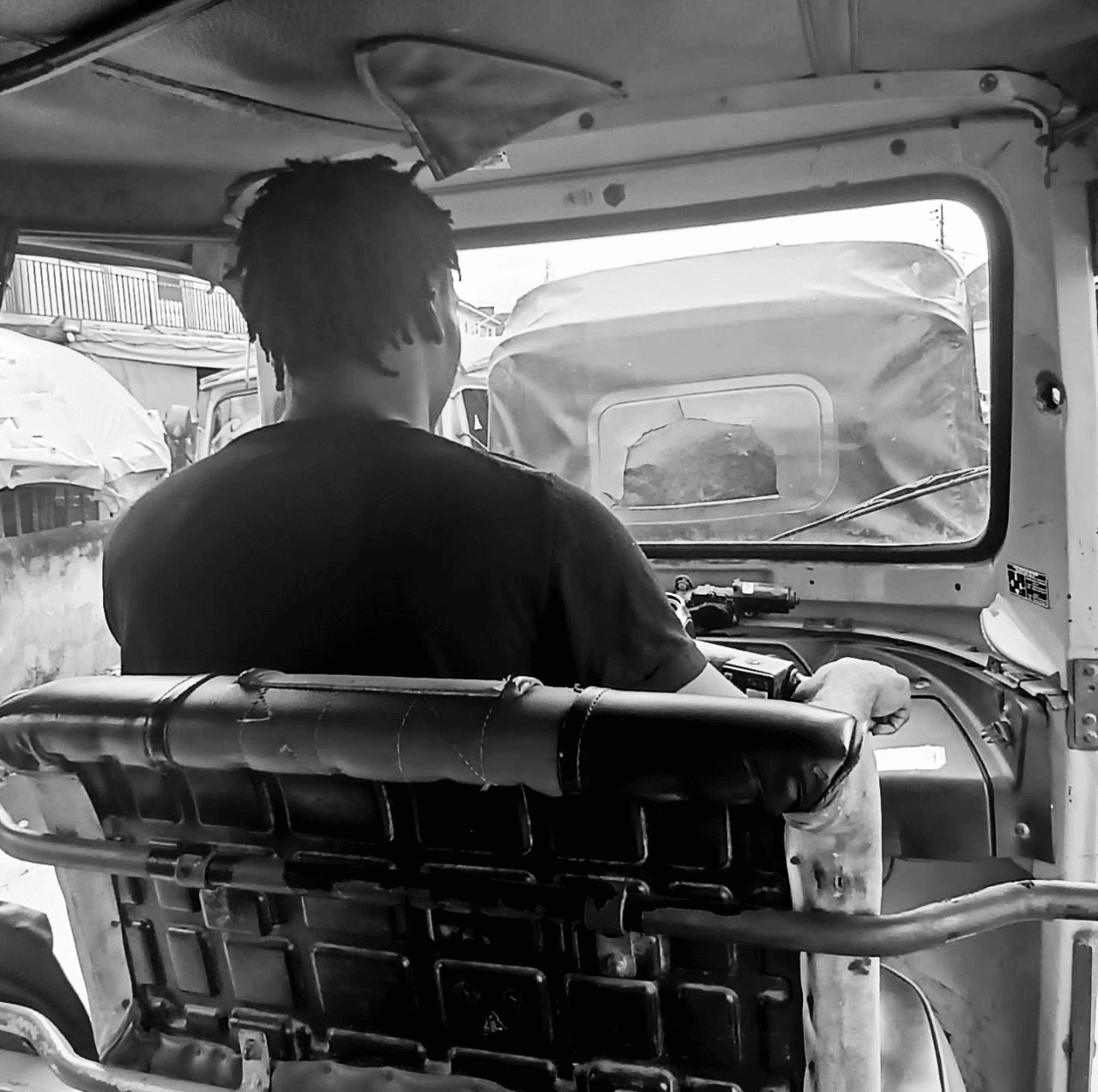
I am a commercial tricycle driver in Lagos, and I have been doing this work for about six years. I entered the business because I needed something that could give me a daily income.
I applied to many jobs after graduating, but it was either the pay was not worth it or the distance was an obstacle.
Driving a keke is not as easy as people think. You wake up early, fuel the vehicle, deal with traffic, look for passengers and still have to make enough money to take care of yourself and contribute to the family.
What makes it more difficult is that there are so many payments attached to operating.
Every day, I leave home knowing that I will have to spend money on fuel and maintenance. But along the road, there can also be different levies and payments connected to the transport business.
Some levies are collected by associations or people who say they are authorised to collect on behalf of a government agency or transport authority.
Each time I ply, money is collected. It is like a shift. The person you meet in the morning is different from who you meet at noon. You don’t just pay once a day. You may pay one levy at one point and later be stopped somewhere else and asked for another payment. When you ask whether you have not already paid, they tell you that this is a different charge collected by different persons.
Refusal can lead to you being threatened with being stopped from operating or having your vehicle impounded. If my keke is seized for one or two days, I lose the income for those days. I still have to eat, pay my bills and maintain the vehicle. I have family.
The biggest problem is that these payments affect what I take home. A passenger may pay ₦500 for a trip, but that does not mean I have made ₦500. I still have fuel, maintenance, daily obligations and other expenses. When levies are added, my actual income becomes much smaller.
Sometimes people ask why drivers increase fares. It is not just about an increase in fuel price. They should also ask what it costs us to operate.
We are not just paying for fuel. There are repairs, spare parts, traffic-related costs and different levies. By the time I finish paying everything, there are days when I wonder whether I actually made a profit.
Starting another business requires capital, and I do not have enough money to simply abandon the keke and start something new. Besides, who knows if this same issue occurs in such a business even more than this. I want the authorities to reduce overlapping levies and make the collection system transparent.
We are willing to contribute. We are willing to obey the law. But there should be a limit to how many people can come to one small operator and demand money.
I drive a keke because I am trying to survive, not because I have a large company. When you take a little from me at every point, eventually there is nothing left.

As narrated by: Ajayi Adekunle (Agege, Lagos).
This snippet is published as part of the series, The Art of Taxing Poverty.
Discover more from Chronycles
Subscribe to get the latest posts sent to your email.

Published by