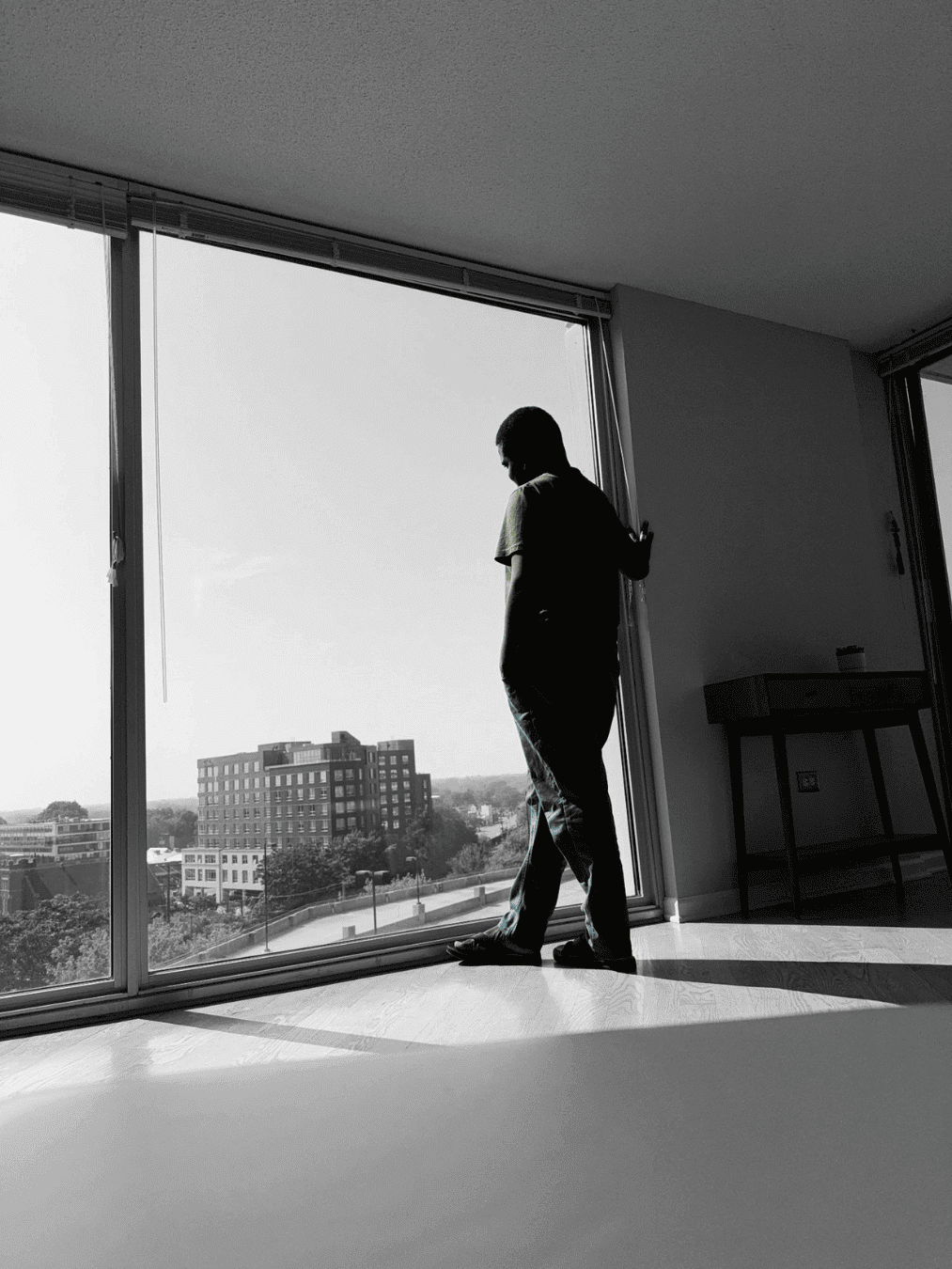
I had always thought that the main reason for occupying a house was needing somewhere to live. In three related encounters, the world’s metropolis would correct this misunderstanding.
I: HOW MUCH DOES A ROOM COST?
“August 16 – Abuja. Warm and sultry. Brother Kassim sent me photos and costs of various rental apartments in Evanston, and I began to wonder whether the World grows more exorbitant the closer one moves towards it. This evening is one of re-education. Isuhu, my old friend in Sokoto, often begins our phone conversation with ‘How is Nigeria?’ – a joke by which he reminds me that Sokoto lies at the far edge of the Nigerian world, while Abuja is its bustling centre where opportunities multiply and rents become unbearable. Maybe soon, an Abuja friend will start asking me ‘How is the World?’ as I move to the bustling centre of Mother Earth where there are greater opportunities – and it seems, greater rents.”
This is how I would have painted my experience had I updated my journal on that sweltering evening in 2023.
The amounts Brother Kassim sent for a month’s rent were unimaginable. $1,150 here. $2,000 there. It was just one month before my graduate programme began, but I waved off the urgency and took a moment to contact on-campus graduate housing. The news turned out not-so-sweet: “The demand for graduate housing this year exceeds the supply that we have.” “We encourage you,” they said, “to look into off-campus options in the Evanston area.”
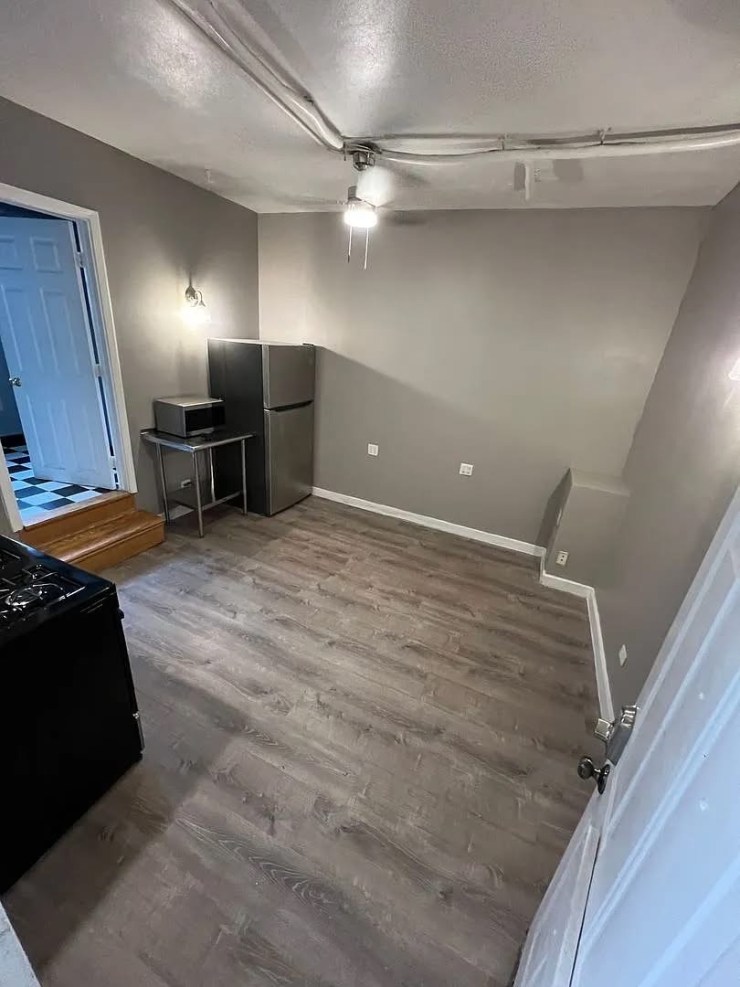
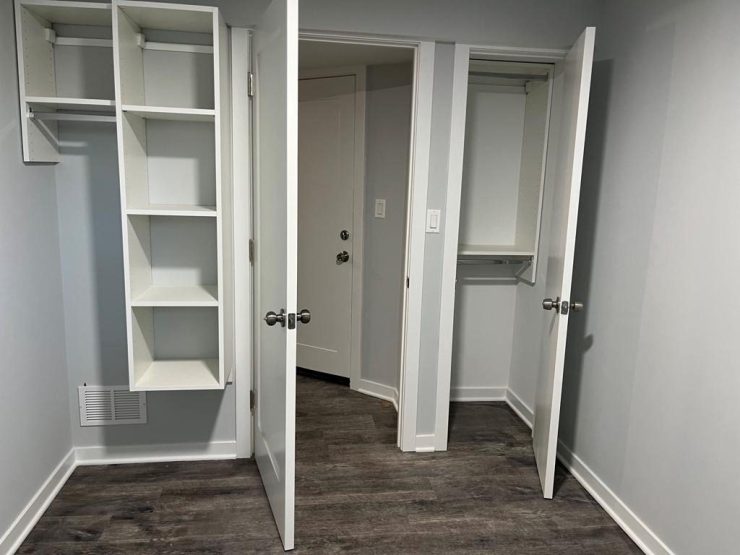
I pivoted back to Brother Kassim and the search continued until I eventually settled for one at $875. I was still trying to understand what exactly was included in the rent when I discovered that what my brain was so busy painting as an “apartment” was actually a single empty room of very few square meters. The hallway, kitchen and bathroom were to be held in trust with strangers.
No sooner had I agreed to this than I was introduced to a companion figure: the security deposit; an amount equal to the rent itself, to be kindly kept by the landlady against the possibility that I might, in a moment of weakness, scratch a wall or break a tap. I immediately made the almost obligatory immigrant mistake of converting the total amount into naira and immediately regretted doing so.
As I settled in the world’s metropolis the following month, my housing vocabulary grew accordingly: internet fee, insurance fee, cleaning fee, garbage bill, water bill, electricity bill. I was even made to pay a couple hundred bucks for some old furniture the previous tenant left behind.
I came looking for somewhere to sleep and found an entire financial ecosystem.
Eventually, I learned that at the centre of the world, you don’t convert housing expenses to naira. This is an important survival skill for Nigerians here.


II: THE APARTMENT THAT WOULDN’T LET ME LEAVE
The following summer, I returned to Nigeria for fieldwork. Before leaving, I had disengaged from my lease. Now preparing to return to the World, I needed another place. Brother Kassim was no longer available to help. I had to navigate the murky waters on my own.
I encountered several possibilities. Some were just too expensive. For a couple of others, the lessors required a separate rent paid monthly for pets. I was aware of paying for parking and of leases restricting how long a guest could stay, even in the space you have paid to live in. But charging separate rent for a pet struck me as a more benevolent approach to leasing; for who else would have cared about your pet that much? As I had no pet, I grudgingly settled for a different apartment, a studio. I was to take over a young woman’s lease.
I liked the studio from the video she shared. It looked nice. It was closer to campus. The subletter and proprietor were both eager for me to sign the lease. My flight was the following week, so there was urgency on my side as well. It was only after I signed the lease and gained access to the apartment’s online portal that I discovered I inherited someone else’s toxic ex. The page’s complaints tab was littered with requests from the previous tenant: noisy washers just outside the door, a frequently flooded entrance, an exposed electrical wire and other details that would have been useful before signing rather than after.
When I arrived, I found that I could enter the apartment only through the building’s back door, whose hallway was crowded with gas and electrical meters.
I immediately wanted to leave.
I had a perfectly reasonable reason, at least for myself. I asked to revoke the lease. I then discovered that in the world’s metropolis, wanting to stop living somewhere and being legally permitted to stop paying for living there are entirely different things. Because I had already signed the lease, I had two choices: either produce a replacement tenant – the way the young woman had produced me and vanished – or continue paying rent until the lease expired at the beginning of the following spring. I thought I rented the studio. Gradually, I discovered the studio rented me.
I sent emails. I made phone calls. I initiated negotiations. In all this, I was reminded of the clauses of the lease. The more desperately I tried to leave, the more firmly the apartment insisted upon our relationship. Like a white wedding, it was for better and for worse.
I spent the remaining part of that lease not living in the studio emotionally. “In the world’s metropolis,” the lease seemed to scream, “your emotions are not a recognised form of tenancy termination.”


III: HOUSES WITHOUT PEOPLE, PEOPLE WITHOUT HOUSES
One bright spring morning, on my way to campus, I came upon a bald, ageing man sleeping beside a church. On another day, a younger fellow lay around the same place, on grass – not quite sleeping, but perhaps sunk in thoughts, contemplating the vicissitudes of life. On a third day, there was yet another. This place, by repeated sights and observation, revealed itself to me as a sort of collection point for the homeless.
About a month into spring, time finally brought my unhealthy relationship with the studio to an end. I moved into a two-bedroom apartment where I lived alone while the lessor and I searched for someone to rent the second room. More than three months passed before we found one. During those months, whenever I passed by that empty room, the old man by the church would intrude upon my thoughts. My immigrant logic would immediately begin doing the arithmetic.
Person needs house.
House needs person.
Problem solved.
Except, of course, it wasn’t.
I knew by then that houses had rules. The city of Evanston maintains a Vacant Building Ordinance. A home left unoccupied for more than 180 days must be registered, with a maintenance plan on file, or the owner is fined. Empty rooms, in other words, could be a liability to the owner.
Regardless, rent is due in neat, unforgiving monthly units. And with most landlords preferring to own the liability of vacant buildings, the loss of a single paycheck can put a person on the sidewalk by the first day of the next month.
This was more or less what happened to my neighbour, Chale, who fell short one month and asked his landlady to accept half his rent for two months while he found his feet. She asked him to leave. For two months, he stayed with friends and the whole time, his room sat empty as the landlady couldn’t find his replacement. When he eventually got the money, he returned to the same room.
*
I understand housing better now.
A house can be empty without being available. And a person can need a house without being eligible for one. That is how the World works.


Discover more from Chronycles
Subscribe to get the latest posts sent to your email.

Published by