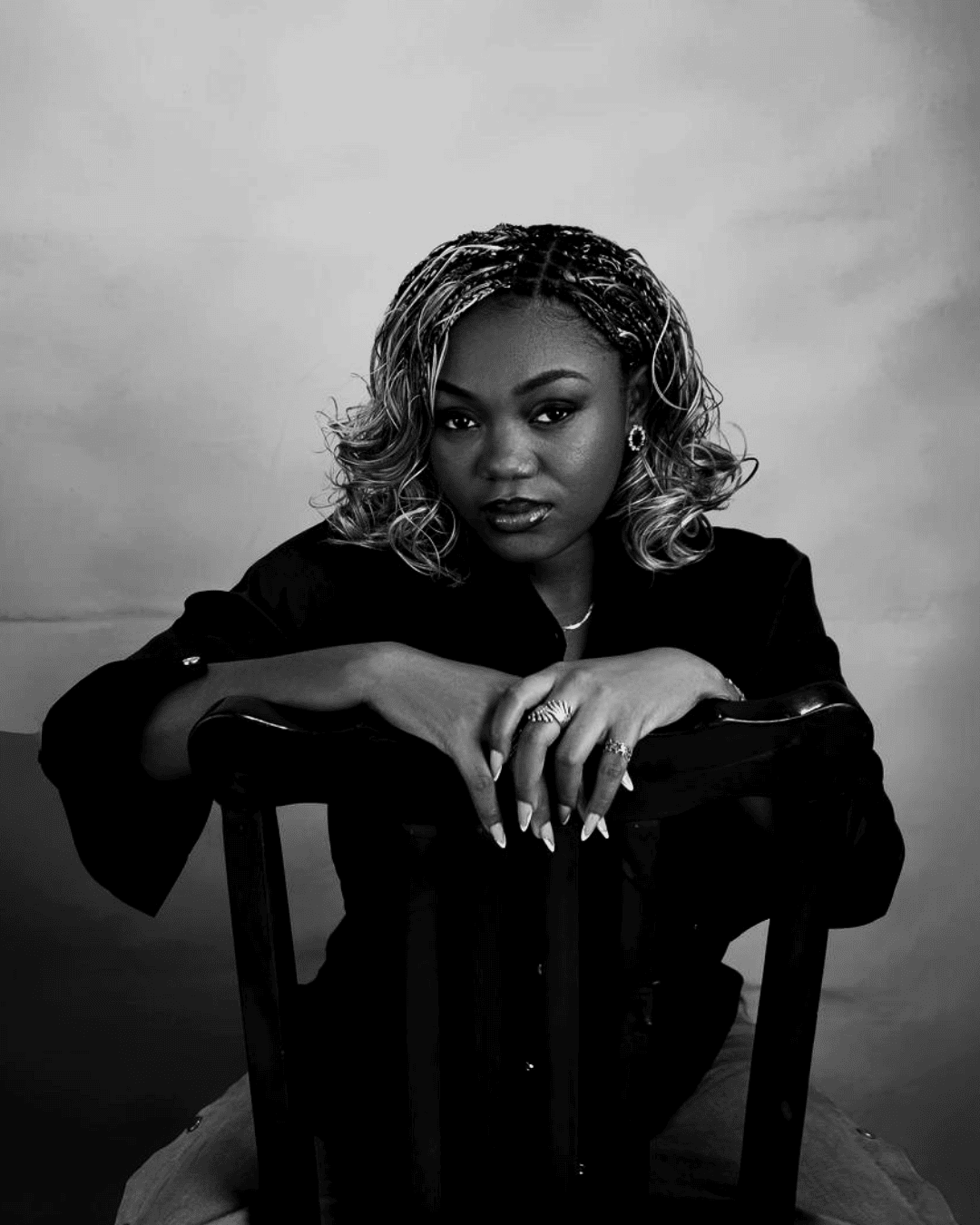
I’ve been living with vitiligo for the past 11 years, and my experience so far can be summarised in one word: “hard”.
For someone who used to be fair with milk-spotless skin, it totally wrecked me. It started with a small patch I thought was eczema, so I used every cream possible.
Eczema was a thing of shame then, and it meant you were dirty, so I covered up. I’d wear cardigans and use scarves, hoping it would clear up, but it spread further. It spread all over my body, and I had to leave school because people were ignorant of my medical condition and thought it was contagious. I received many snide comments. One babe literally said to my face that she didn’t want to “catch” what was on my body, and that hurt. It hurt me like mad. It’s been more than seven years now, and I can still remember what she said. To prove it was not contagious, I had to leave school and then seek medical attention.
I went to the hospital. Drank every herb I was given. Later on, I accepted it. But it was a “shameful” thing, and people kept asking questions. So I just covered up. No armless or sleeveless dresses or even halter-neck tops.
It spread all over my body, and I had to leave school because people were ignorant of my medical condition and thought it was contagious.
I hated my skin. I hated the questions and comments: “What’s this on your skin?” “Did you bleach your skin?” “What cream are you using?” “When did it start?” “What if you bleach your entire skin so it evens out?”
I was on the verge of losing it and telling nosy people it was a tattoo.
Mind you, I didn’t even know what was on my skin until I went to see a dermatologist, and she told me it was vitiligo and that the only cure was phototherapy. I left that clinic and never went back.
I think that’s when I finally accepted my condition. At least, instead of saying, “I don’t know what it is”. I can say, “It’s vitiligo, and it can happen to anyone. No, it doesn’t have a cure.”
Over the years, I didn’t mind anymore. I wore whatever I wanted and became more comfortable in my skin. I started investing heavily in skincare. I didn’t need the Nigerian society or anyone to accept me; I’d already learnt that I didn’t need anyone’s validation. I loved my skin, and that’s all that matters. I mean, sometimes I want my old skin, but I guess I’ll make do with my “leopard skin” for now.
To others living with vitiligo, it messes with your head. I mean, one day you had the perfect skin and the next morning you see patches that end up turning into what it’s not supposed to be: depigmentation. You become an outlier. You become different from what beauty standards dictate. You become very different from every other person, every other girl, every other Instagram baddie. But don’t let it get into your head. You are you. You are strong. You are beautiful.
There’s a lot I have to say to the general public. Please stop asking people with vitiligo what’s on their skin or telling them what they can use. A few days ago, I went to the market, and someone just approached me and said, “Aunty! What is on your body? I have cream that you can use.” Like, what cream does she want to give me? Does she know how many creams I’ve used? That’s a rude thing to do.
Just look away. We have mirrors. We’ve looked in the mirror and have seen what’s on our skin. We’ve tried anything humanly possible to get it off, but it hasn’t. It’s permanent. So, yeah, mind your business.

As narrated by: Ayomide Joyce (Abuja, Nigeria).
This snippet is published as part of the series, The Complex Reality of Vitiligo.
Discover more from Chronycles
Subscribe to get the latest posts sent to your email.


Published by