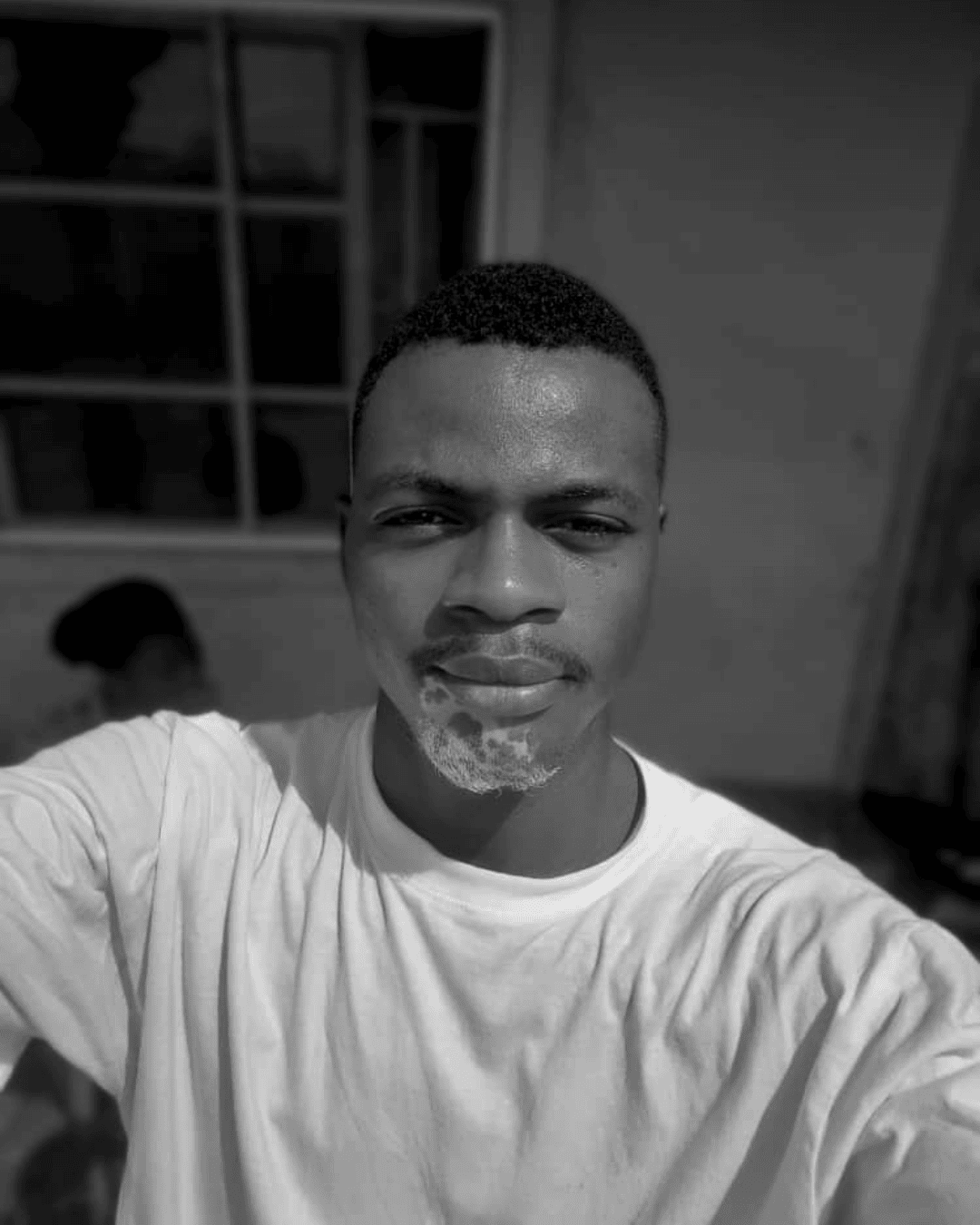
I still remember the day I first noticed it. I was 10 years old when the first small patch appeared on my lips, making people wonder if I was licking my lips. Then it started spreading to my jaw with a little dot. At first, I didn’t think much of it, but when the official diagnosis came, it felt like a heavy shift in my world. Looking back, that younger version of me felt a mix of confusion and fear, mostly about how the world would look at me. Today, that feeling has evolved into a quiet confidence; the patches are no longer “flaws” to me, but a part of my uniqueness.
Physically, the journey is one of constant awareness — especially under the sun. Managing sunburns and being mindful of skin protection becomes second nature, a daily ritual of self-care.
Emotionally, it has been a roller coaster. There was a time I usually had this itching in the affected area. There was a time, too — I think it happened monthly or something — a minor wound would appear on the area, looking as if I was scratching it, which I wasn’t. It happened for some time before it stopped. There was a time, too, when I felt so ashamed of myself I wished for the ground to just open up and take me in.
There are days of total self-acceptance and days when the stares in public spaces feel heavy. Dealing with silly comments or “cures” suggested by strangers used to be frustrating, but now I often find the humour in it. It has taught me a level of patience I don’t think I would have found otherwise.
Vitiligo acts as a natural filter for relationships. It has drawn me closer to family and friends who see me and not just my skin. In my social and romantic life, it initially felt like a barrier, and I couldn’t have my own personal relationship, but I’ve realised it actually invites deeper, more authentic connections. It requires a level of vulnerability that ends up strengthening the bonds I have with the people who truly matter.
To anyone else walking this path: your skin is changing, but your value is constant. Don’t rush the process of “getting used to it”. Allow yourself the bad days so you can truly appreciate the good ones. To the rest of the world, I would say this: empathy starts with seeing the person first. We aren’t defined by our medical condition; we are defined by the stories we choose to tell and the lives we choose to lead.
As narrated by: Mas’ud Ayomideji Lawal (Adamawa, Nigeria).
Mechanical Engineering student. Passionate about automotive mechanics and digital content creation.
This snippet is published as part of the series, The Complex Reality of Vitiligo.
Discover more from Chronycles
Subscribe to get the latest posts sent to your email.


Published by