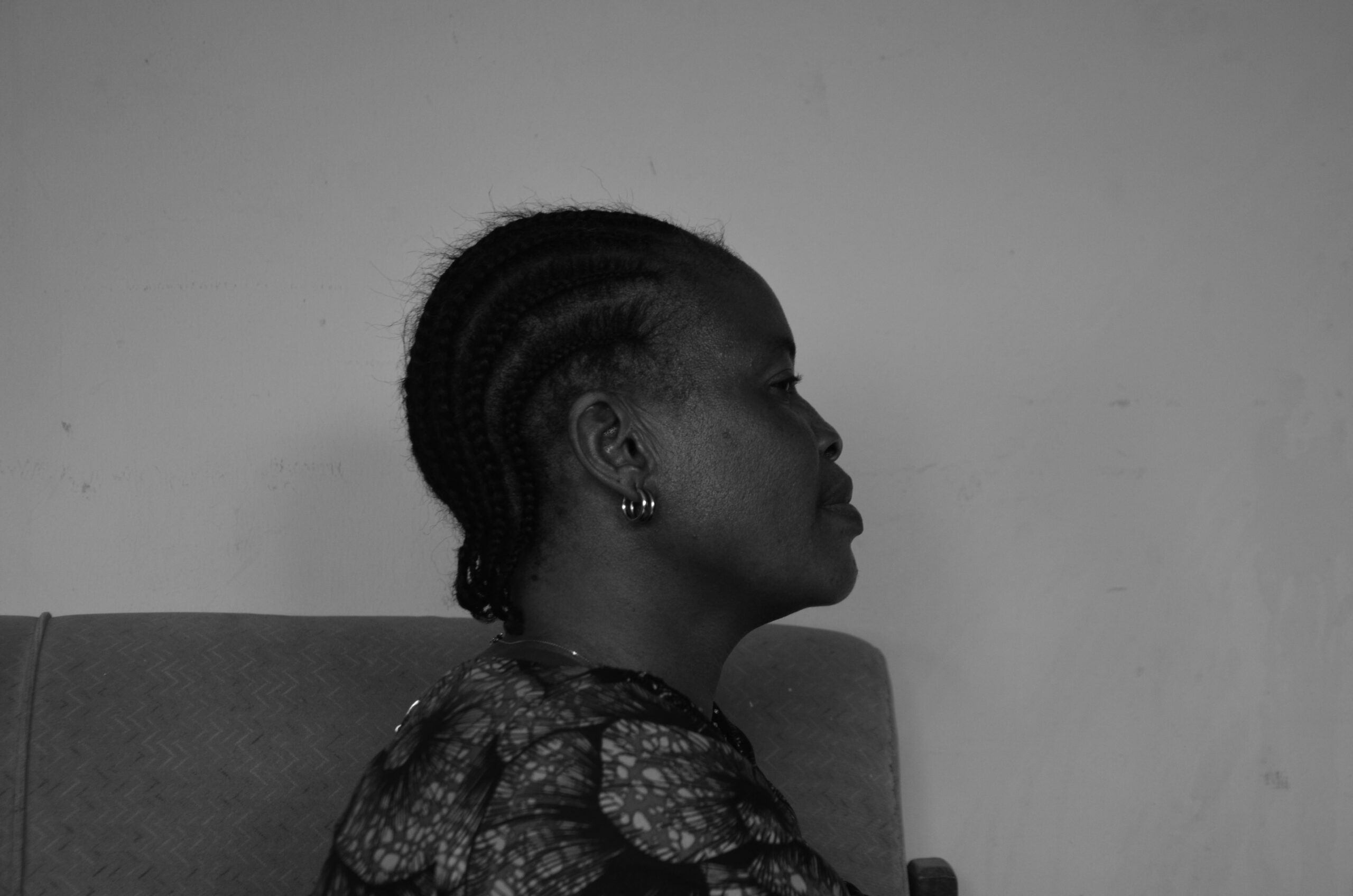
Very early in the morning, you will always find me standing in the marble foyer of the ministry building. For ten years, I’ve cleaned these floors, the same halls meant for people with permanent jobs. Ten years of scrubbing under a forced smile. Three months was the promise they made to me when I first stepped in wearing a new uniform as a cleaner. Now that it is over a decade, I am still clutching my mop handle and wondering what happened to that promise.
My husband died when our children were small, and with his death, everything that looked steady in my life fell into pieces. I chose this work because it was the only thing that I could get my hands on and also because I needed a job to take care of my children’s needs. I will soon be forty and a widow raising three children.
When I started this work as a cleaner, they paid me ten thousand naira every month. I told myself it was enough to begin with. From that ten thousand, I put aside five thousand into adashe, our little savings group. The other five thousand is what we manage. Later, they raised my pay to twenty thousand for the first time in a long while. Even with the small increase, I still put half in adashe and used the rest for school fees, food, and the health of my children. Thank God they attend government school. Government schools are very cheap here.
It’s been 10 years since I started working here. Ten years of sweeping, mopping, carrying buckets, emptying bins, and washing the toilets in this secretariat. But my work isn’t just about cleaning. Because my duty post is near the secretary’s office, they sometimes send files with my name on the slip… “Please take this to Mr so and so.” I do all kinds of work. I put papers in files. I run errands for permanent staff. I fetch water. I hand over letters.
Every day I put on my uniform because I have to leave home before the sun comes out. I must be at the secretariat early to clean the halls before the real staff start trooping in. When it is time for payment, they pay the permanent staff first. We, casual workers, will be told to wait for a while. Sometimes the money comes late; sometimes it is the correct amount; sometimes it is less than expected.
There are times when I cry alone in my heart, because I remember leaving school at SS3. I didn’t go past secondary school. Life took that chance of learning away from me when my family needed me. I used to tell myself that if one day I became a permanent staff member, I would go back to school and continue from where I stopped. I would get a diploma. Then, after, I would sit for the Civil Service Commission exam and improve my life. I want to believe that I can still see that future like a small lamp behind a curtain.
It is not stubbornness that still keeps me here. I know I have to clean if I must be able to provide for my children. There is dignity in work, even when the world around you does not acknowledge it. I have seen other people working here, like me, break down under the weight of waiting. Some left for other towns, some found other jobs, some started washing plates or hawking. Because I have three children and because I must keep them fed and in school, I choose to stay, even with the fear that after ten years, the promise of a permanent status will never materialise and that I will have given a decade for only a dream.
After all these years, my prayers never change, even though our lives keep getting difficult. I pray silently every day. I pray that the Governor will look upon us and feel sympathy for us, casual workers. I also pray that someone in the ministry will remember the three-month promise they once made to us.


As narrated by: Rasheedat Damaji (Jimeta, Nigeria).
This snippet is published as part of the series, The Casual Workers of Adamawa.
Discover more from Chronycles
Subscribe to get the latest posts sent to your email.

Published by