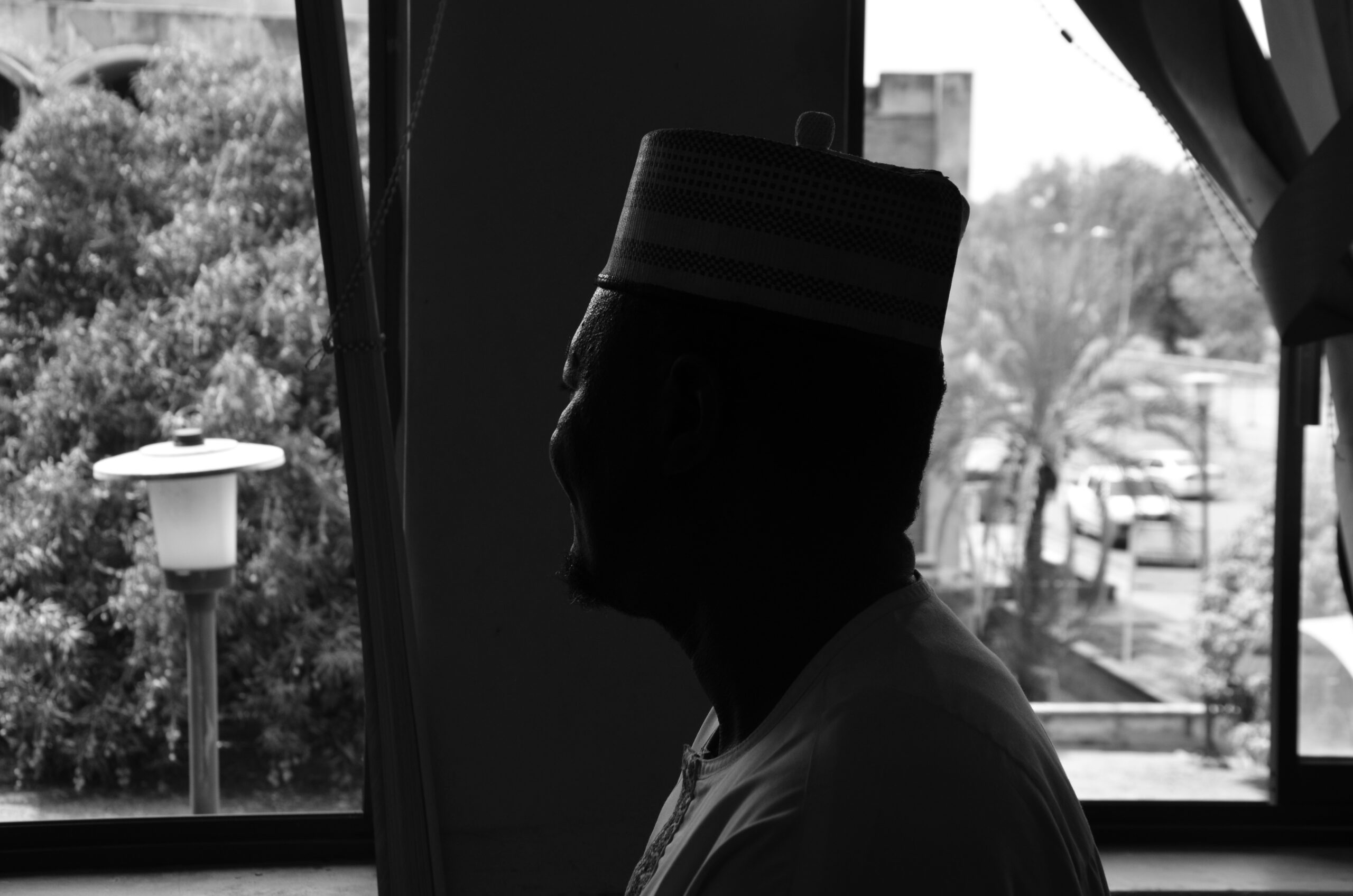
I have been coming through these ministry doors since August 8, 2012.
When I tell people I am an assistant registrar at the Ministry of Justice, there’s always a strange expression on their faces, something between respect and confusion, maybe because I don’t look like one of them. They picture a man at a desk, a man with a permanent salary, and a man living the neat stack of a civil servant’s life, but that is not the case. My work is whatever the day asks for. What many do not imagine is a life stitched together from running errands and doing other side jobs. When I was first hired, I was brought in as a delegated worker with no personal survey number, no permanent post, no pension at the end of the road. That is why they call us “casual”, not permanent, not secure, not counted.
Since I have been working here, I have not been assigned to any single job. I do whatever is asked of me. Some days, I might be opening the tribunal and sweeping the benches for the litigants; another day, I might be sitting at the desk taking statements from landlords and tenants. At times, a landlord might come with fresh anger on his face, and I’ll write down his complaints: the rent is unpaid, the notice was ignored, the daughter left without telling anyone, blah blah. Another day, a tenant will come, eyes downcast, and I write: the water broke in the house, she could not pay on time. I file the papers, stamp them as best I can, and put them away beside stacks of other people’s troubles. That is part of the many errands I do just for a token of 20,000 naira at the end of the month.
At home, the numbers are big. I have two wives, seven children, and my old mother under my roof. My father is gone. My wife does not work, but she is the one caring for our children and our home. She is a full housewife. Thirty thousand would have been a blessing, but the twenty thousand they give me now is what I manage to take care of my family. In 2013, it was five thousand. Then it rose to ten, then fifteen, and now twenty thousand naira. Each increase felt like a sliver of hope and mercy that one day maybe things might actually turn out well.
Twenty thousand is what I use to take care of my family. Twenty thousand is what pays for our food for a week if we are careful. That twenty thousand is part of the little amount that makes each day count with my other side hustle, because you learn how to juggle when you are a casual worker like me. You have to. I drive sometimes. I transport people for a small fare. And I also paint houses when the owner needs a quick coat.
I studied common law, I hold an MCE, and I have a diploma from a polytechnic affiliated with Zaria. These are the certificates I carry in my bag like promises. I thought that all these qualifications would give me some leverage. Over the years, I have filled application forms, paid for them — three thousand five hundred naira each — and lined up for interviews. I have applied for permanent roles more than ten times through the online portal. In fact, I have lost count. I sat in the interview room, talked about my qualifications, and it was still not enough. The appointment letters never came.
“Why don’t you find another job?” I have asked myself that same question several times, over and over again. What job would give me security for my family? What job would honour the diplomas I have earned with my sweat? When I speak to others about this, most of them tell me the same line: “Be patient.” We have directors and bosses who always assure us to just keep doing this work. “By the grace of God, they will permanently deploy us.” But then a new government comes in and we see new faces sitting behind the polished desks. I keep waiting, and the years pile up. Before coming here, some of my colleagues have laboured here for decades — fifteen, twenty years — and still their status has not moved or changed.


“We have directors and bosses who always assure us to just keep doing this work. ‘By the grace of God, they will permanently deploy us.’ But then a new government comes in and we see new faces sitting behind the polished desks.”
There is an embarrassment that comes with being a casual worker. Not the work itself, but what others infer from it. I have been ashamed and embarrassed. I remembered a day I went to apply for a job like that. They said, no, they can’t employ me. They didn’t believe I was not a permanent staff member at another institution until I showed them my ID card. Let me tell you one thing about this job: it even used to prevent us from getting another job elsewhere. People are looking at us differently, like we are making lots of money because we work in the ministry. It’s really surprising and heartbreaking at the same time. Being inside the ministry makes outsiders think we are secure, but inside, we are the uncounted.
Being a casual staff member is not only about the money I am being paid. There is a dignity that government service should afford; there is the knowledge that your toil should contribute to something larger, and that you will be looked after when your hands can no longer do the work. But with casual labour like I am doing, the safety net is cut. There is no guarantee. If I go to work and I fall sick, there is no paid leave. I can file forms, and nothing answers back.
I want to raise my seven children with the belief that hard work pays off. I have seen how my situation makes them ask questions I cannot always answer. I want to try and make a world where they do not worry about where their next plate of food will come from. But I worry. I am afraid this work might no longer be enough.
As narrated by: Mohammed Isa (Jimeta, Nigeria).
This snippet is published as part of the series, The Casual Workers of Adamawa.
Discover more from Chronycles
Subscribe to get the latest posts sent to your email.

Published by