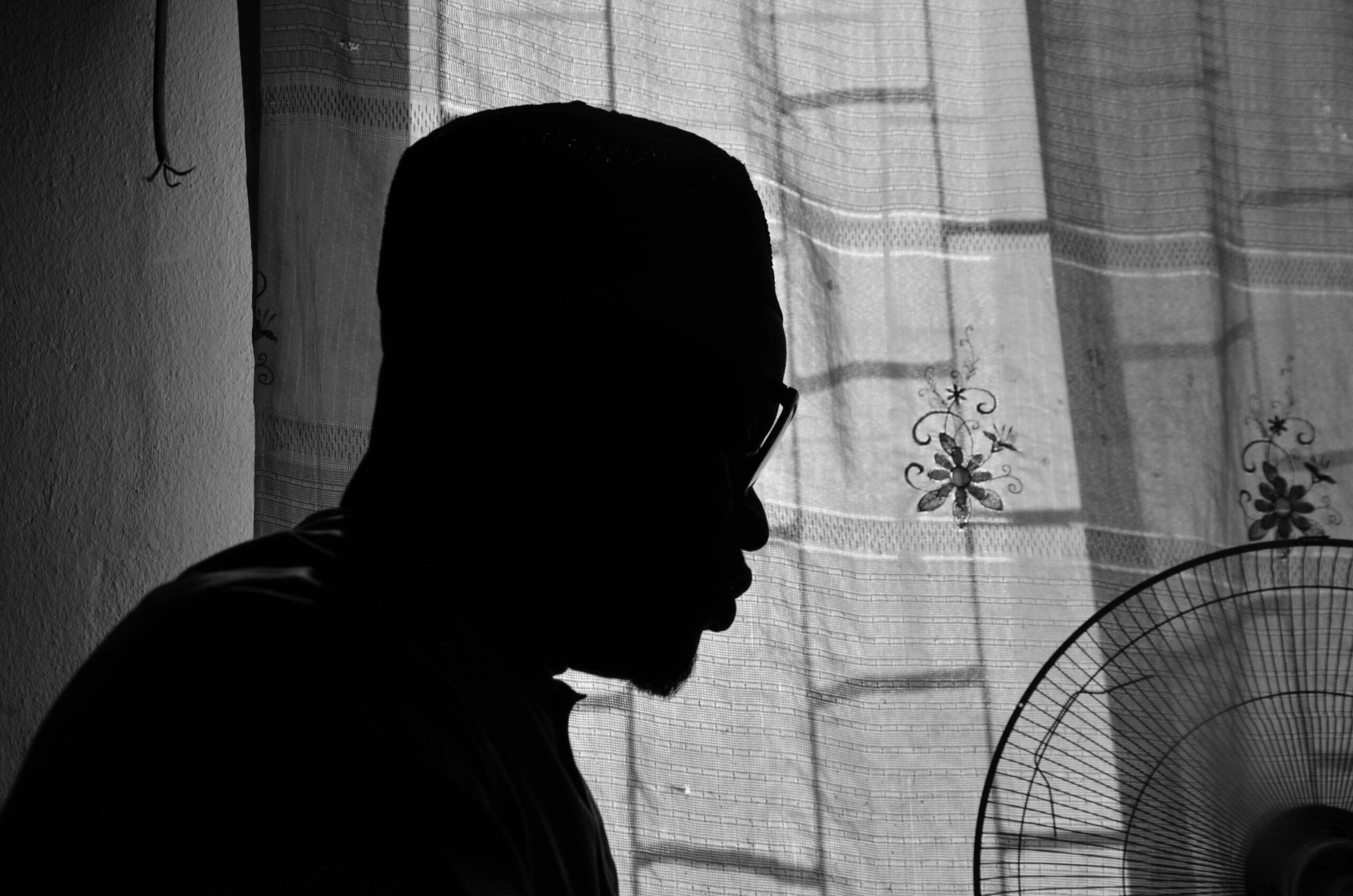
The first promise came like a door left open: “You are on probation.” I learned the truth much later, after I realised the door had never been meant for me.
I have been at Adamawa Television Corporation (ATV) for more than a decade now. I have done all the kinds of jobs they could ask of a person: driver, camera operator, editor, reporter, field cameraman, computer operator, sound mixer. I show up every morning before sunrise and leave at night, and for years, the only thing that has changed is the number of years I have worked at this place. My pay didn’t change because it was never promised. I am a casual worker, a daily-rated artist, or call it whatever name you want: the man who could be called in and discarded any time. The station only needed me to fill gaps and never committed to me.
People like me are easy to admire but hard to protect. They lift us up in speeches as “the backbone of our institutions,” then quietly they remind us that backbone is not part of the payroll. We are called “temporary” with our names written in pencils, until the temporary becomes the life we know.
I came to this place the same way many of us do — through someone who knew the corridors. My brother, the man who taught me how to take instruction, brought me in. He was older, a civil servant who had spent years inside those rooms. When one of his former colleagues returned to town after retirement and needed a driver, my brother said, “Give my brother a chance.” I drove for a man like that for a year and a half. It was around 2011/2012, times when I thought a steady hand at the wheel would be my ticket out of the village.
When the man retired, the work he had carried with him collapsed under the weight of retirement pension. Cookers, security guards, drivers: the retired man could not afford us all. I did not want to go back to the village. I was already liking the city, so I asked my brother to help me find a place: “If you can get me a driver’s job somewhere in ATV, anything, I will take it,” I told him. He applied for me. On 25 August 2013, I put my name in. They took me on as a casual staff member. “We will monitor you. If your work is good, we’ll make you an artist.” That was what I was told. It sounded like a contract was waiting for me in the future.
That future took its time. I learned to edit in a month and a half. I learned how to operate a camera. I remember my first edit. It was during a Friday sermon. I cut, I layered audio, I placed soundbites, I wrote the name tags, and then I ran back home before 7:30 pm. just to watch the seven-thirty news with my wife, where the thing I had made was broadcast. “People are watching what I made,” I told my wife. It was the first time I felt the pride of my craft.
Five years later, they told me I was “on probation.” For five years, I turned up every morning, whether the calendar said Sallah or not. From 2014 until 2019, I did the work and I did not get paid. Sometimes, they gave me allowances for assignments — two thousand, five thousand — and I would rush to the school office with my little cash to buy a school registration ticket because I was advised to get at least a diploma if I ever wanted to be considered for permanent employment. Once I got admission to study Mass Communication as a diploma student, I studied and worked. I finished the diploma and graduated. Well, years later, it didn’t work out well.
In 2019, after five years of being monitored, the station began to pay me. Twelve thousand naira a month. Not per job, per month. Twelve thousand to hold every role they asked me to fill: camera, editing, driving, covering live events when the permanent staff were elsewhere, guarding vehicles, running little errands.
I tell this as a father because fatherhood is where exploitation becomes concrete. I am married; I have children. When my first son was born, my life began to take a different shape. Being a father under casualisation means all your love turns into making plans and logistics: who pays school fees, who finds the money. I wake up every day making different plans. Although there is dignity in what I am doing and I am proud of the things I can do, dignity does not pay the rent when you are surviving on 12,000.
To survive, I cultivated other lives. I farm. Farming is a fallback and an embarrassment sometimes. Think about it, a man in the television station who returns to the village to hoe his land. But those farms buy me survival when the station’s pay is not enough.


“They lift us up in speeches as ‘the backbone of our institutions,’ then quietly they remind us that backbone is not part of the payroll.”
From five years on probation to nine years as an artist. I have filled out forms and applied for permanent slots, but nothing worked. Every time a permanent staff member retires, we are told the gap will open for us. The administration will tell us recruitment is “in process” and ask for patience. We keep waiting while other colleagues and I make up 90% of the workforce within the station. The truth is, the so-called permanent staff are ghost workers; they don’t appear at work because we are the ones doing their work.
Being a husband in this kind of situation rewires my sense of dignity. My wife is patient; she has always been. I remember when I just joined ATV as a casual worker, even though life wasn’t really smooth, I had a car and two motorcycles. Life happened, and things changed. Our children may not know the storm that comes with instability, but my wife stands beside me every now and then. That small faith of hers keeps us breathing and staying together.
In the meantime, I will keep waking up and going to work. Though I have plans for 2026: either I become a permanent worker, or I stop waiting for a promise that never arrives. I have put myself in every hook and nook for this organisation. My wife says, “If they don’t want you, we can always go back to the village and farm.” That day might come sooner than later.
As narrated by: Gaddafi Bendo (Girei, Nigeria).
This snippet is published as part of the series, The Casual Workers of Adamawa.

Published by