I had gone to Jaja, the school clinic, that night because I had an unbearable stomachache. The doctor came in to examine me. He pressed my lower belly, and I held back his hand because of the pain. But I was shocked by what he asked next. “Are you sexually active?” I replied in the negative. “Have you had an abortion?” My response was the same. But the doctor insisted and even urged me to confess. I maintained my stand that I was neither sexually active nor had I had an abortion. He didn’t listen to me and requested that I be transferred to UCH (University College Hospital). “Put her on transit. When she gets to UCH, the truth will come out,” he said.
And the truth did come out. I had a chronic illness.
I was never a sick child. I didn’t even know my blood type until I entered university. I was too healthy to need a clinic. However, in my first year, I began to experience a strange ache in my neck, which I blamed on long hours of reading. Later, I slumped while bathing, and I went to Jaja. I sat for hours, never saw a doctor, and went back home.
By my second year, my body had begun to demand attention through nosebleeds and constant headaches, which required me to go back to Jaja. During my medical registration, protein was found in my urine. When my blood pressure was tested, it was too high for the machines to read. They tried four different ones before using a manual one, and it read 254 over something. The man looked at me and asked who brought me. I said I came by myself.
That day, I was admitted for hypertension. For eight to nine months after that, I was managed for hypertension by a rotating line of doctors, who gave different prescriptions each time. No one thought to ask why a young woman in her early twenties had blood pressure high enough to frighten machines. It wasn’t until a consultant decided to dig deeper that my tests revealed that I had Chronic Kidney Disease.
I thought that before something became chronic, it must have been acute, but I guess it had been there all along. Because they kept giving me drugs for hypertension and nothing for the kidneys, it just got worse.
When I was offered dialysis or a kidney transplant, I asked for a less expensive option. I was required to drink ten sachets of water daily, stick to a diet, and take my drugs properly, and maybe I wouldn’t need dialysis. But I knew that would be hard to do. With a late father and a brother who is the sole breadwinner, my purse was not full.
While the National Health Insurance Scheme (NHIS) covered some of my drugs, the most important and expensive ones weren’t covered by insurance. And that was when I started skipping my doses. I tried several things to make money; selling thrifts, ushering, photography, and photo editing, among others, but my health always caught up with me.
I don’t know how I’m surviving.
One time, I was admitted to the University College Hospital (UCH), but I couldn’t get treatment for three days because my NHIS code got delayed. I had to use my school fees to pay for treatment. Luckily for me, I was able to secure the NELFund loan to repay the fees. But three months after my discharge, I went for a follow-up and was shocked to realise that my case file had been seized because I was supposedly owing the clinic.
I told the nurse that they couldn’t have discharged me if I didn’t pay. But they said that until I brought the receipt or paid another money, I wouldn’t be treated. And that was when I stopped going altogether.
Even academics and reading, which used to be my solace, became a battlefield. For someone who used to be very academically focused, I am ashamed to say my CGPA. Due to fatigue, photosensitivity, and sleep issues, amongst others, I unavoidably missed classes, practicals, and tests. I even had to retake some courses.
There was a lecturer who I notified every time I couldn’t make it to his class. But two days before his exam, he asked for a medical report. As that was too short a time to get a medical report, I had to turn to my departmental lecturer for help, who happened to be friends with the course lecturer. After interceding on my behalf, she proceeded to ask me, with my scarf on, to accept Jesus to be healed.
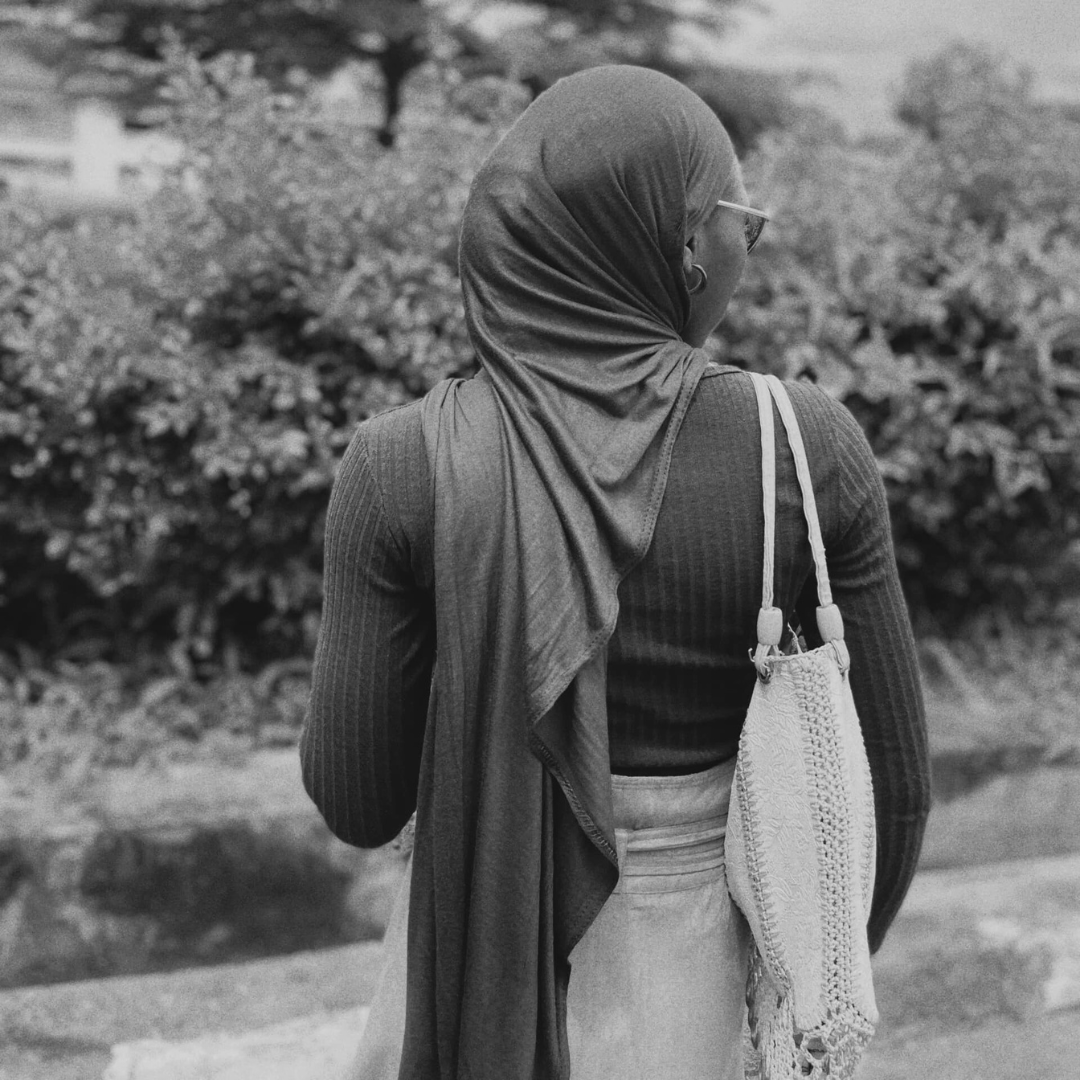
Because my illness is invisible, a lot of people didn’t get it when I complained. But when my hair began to fall out and my scalp became itchy as a side effect of a medication, I couldn’t hide it any longer. I cut my hair and stopped wearing scarves, but that was an invitation for tongues to wag.
Some people told me that because I was in school, I had decided to join a bad company. One of my classmates, a Muslim sister, went as far as saying that she wasn’t surprised that I removed my hijab; after all, ‘People call me my Yoruba name instead of my Muslim name.’ Someone even asked if I had cancer. I had learned to laugh off the pity and speculation, but it was painful because I couldn’t explain myself to everyone.
Despite everything, I am really grateful for the gift of good people; my friends who fed me, my roommates who always looked out for me, my hostel, my coach, and all the individuals who at one time or the other showed up for me. If I didn’t stay in a public hostel, I don’t know how I’d have survived. At least, when something happens, I’m not alone.
If I were to redesign the university, I’d start from Jaja. If they had been effective, maybe I wouldn’t be a UCH patient. And I’d tell lecturers to be more considerate.
As narrated by: Bibi (Ibadan, Nigeria).
This snippet is published as part of the series, Beyond What You See.
Discover more from Chronycles
Subscribe to get the latest posts sent to your email.

Published by