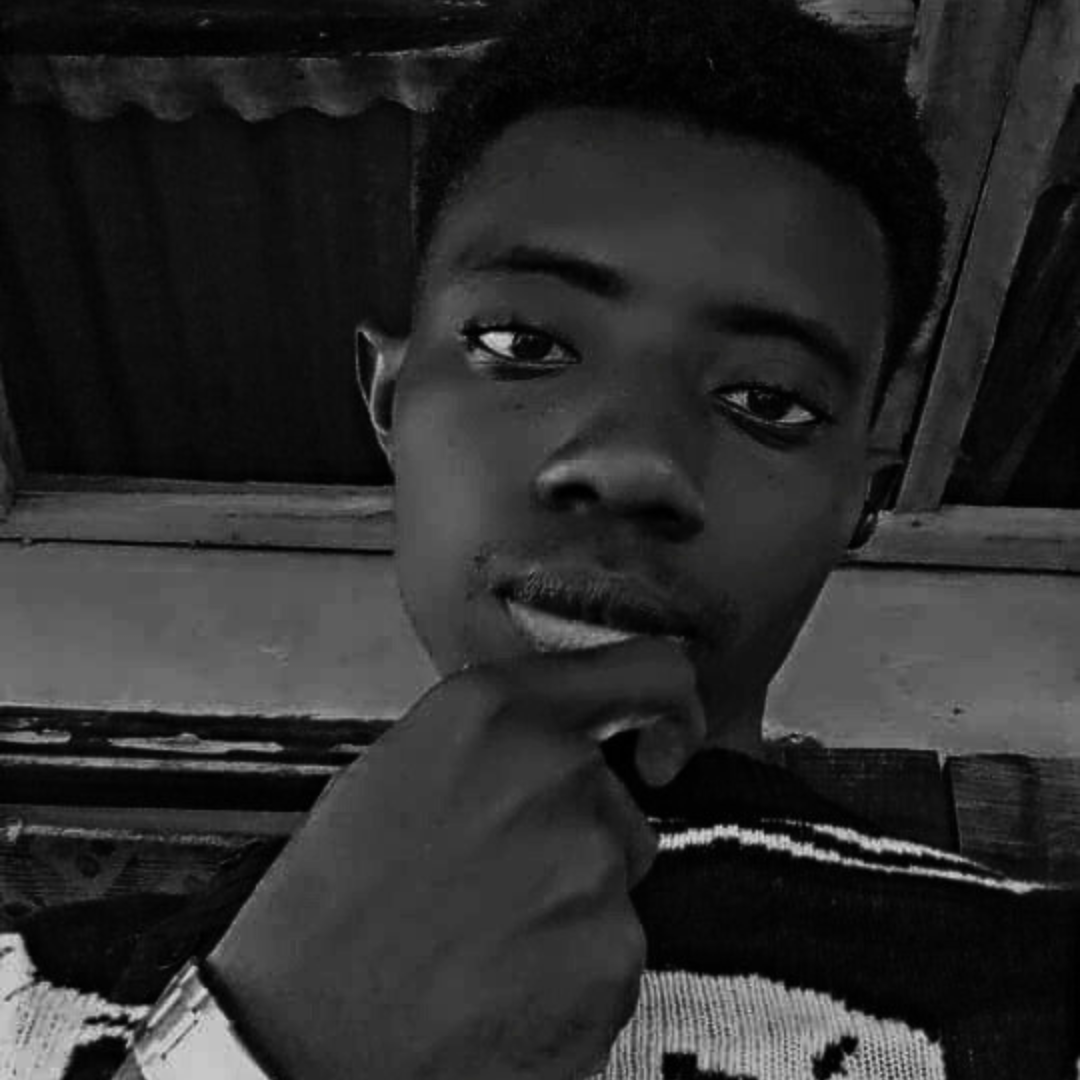
I was eight years old when I was “diagnosed” with sickle cell disease, but I didn’t have my first crisis until age 12. Since then, sickle cell has affected me emotionally, mentally, and physically. I don’t use a mobility aid, but I never go out without my routine drugs.
I am now a third-year Agricultural Science student at the University of Ilorin. I don’t do sports due to my health issues. I just go to school, attend classes and go back to my hostel. Living with sickle cell and being an undergraduate is stressful and difficult. Sometimes I find it difficult to go to school and attend classes, and that stresses me mentally. My school uses 75% attendance as a criterion for exams, so even with a crisis, I make sure I attend enough classes to qualify for exams.
Even at that, I’ve missed so many classes and opportunities due to the crisis. I have missed the opportunity of being elected class rep. I have also missed a lot of last-minute lectures before exams, and some of them have affected my results. I haven’t approached school authorities for help because I believe they won’t listen to me. There are no policies or structures in place for disabled students like me, except the student is physically disabled.
To make it worse, the school bus park (at the gate) was relocated and now we, who live off campus, have to queue for over two hours to get a bus that will take us inside the school. With my health, I queue and wait for the bus, but sometimes, my friends stand for me while I sit elsewhere. Even inside the school, my lecture halls are far from the car park, up to a 15-minute walk. There’s the option of keke, but due to my financial status, I trek instead.
Our school facilities are fairly accessible. The healthcare centre is okay, but the doctors are horrible. I prefer to use hospitals off campus rather than the school clinic. That’s because when I have a crisis and go to the school clinic, they don’t attend to me on time. Sometimes, they don’t believe my pain, saying I’m acting. Other times, they give only drips and no painkillers. When I notice that my condition isn’t changing, I often leave the school clinic for a clinic off campus.
My peers have been really helpful. They always turn up for me, from rushing me to the hospital to staying the night with me and writing attendance, amongst many other things. Regardless, I have still experienced stigma and discrimination, especially from the opposite gender. When I develop feelings for a girl and express them, I get stigmatised.
Nobody wants to date or come closer to an SS patient because they believe we don’t live long. I no longer have the confidence to approach the opposite gender.
If I could redesign my university, I would change the health facilities. I’ll also restructure lecture hours; there will be no more 8 am lectures. Taking lectures from 8 am to 6 pm amidst the stress of hunger, moving from one lecture to another, and under the scorching sun is not ideal. Finally, I’ll make sure the voices of SS patients are listened to and heard.
As narrated by: Jagz* (Ilorin, Nigeria).
This snippet is published as part of the series, Beyond What You See.
Discover more from Chronycles
Subscribe to get the latest posts sent to your email.

Published by