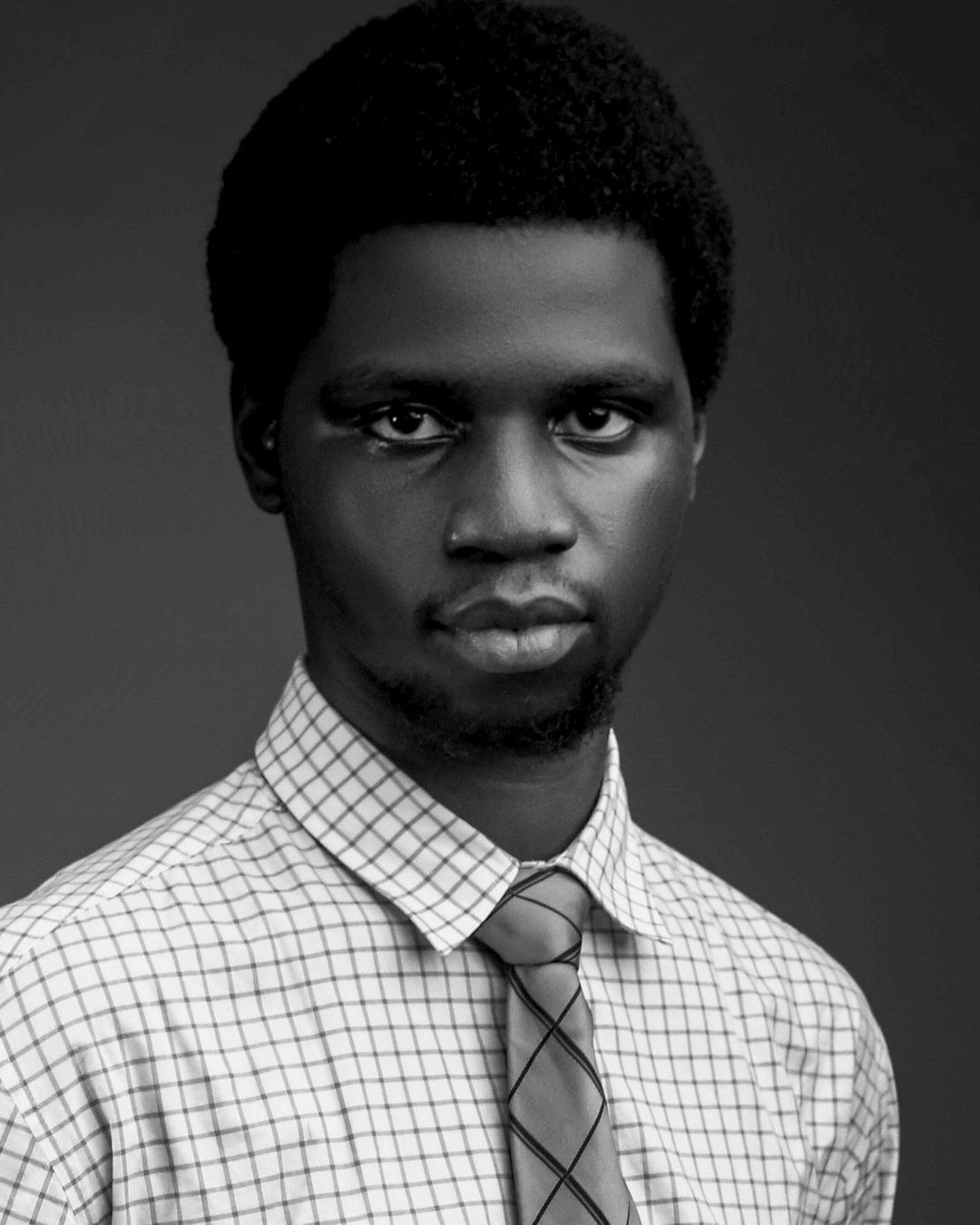
I was born in the North and later raised in Lagos, where I completed my primary and secondary education. My childhood was quiet and ordinary. I was an introvert who preferred thinking to talking. Lagos valued loudness, but I found comfort in silence. I learned early to let my results speak for me. School came easy. I excelled without much strain, which made people expect excellence as a constant.
Medicine was not my first choice. I wanted to be an engineer. I was fascinated by planes, their structure, and their design. But my parents thought medicine suited me more since I was good at biology and less drawn to mathematics. I went along with their advice. My true turning point came when I fractured my arm in secondary school. During hospital visits for X-rays, I met calm, confident health workers whose attitude impressed me. I wanted to be like them. That encounter pushed me toward medicine.
My entry into medicine was not a direct one. I started with physiology at the University of Ilorin after a brief stay at ABU. The top students in physiology after the first year (100 Level) could cross into medicine. I took the risk, worked hard, prayed hard. Expectations were high from family and peers. I felt the weight, but I also saw it as a trust I needed to honour, and eventually, by God’s grace, I crossed.
I am now in my fourth year of medical school, the stage everyone calls the thick of it. Looking back, the journey has been full of sharp highs and quiet lows that have shaped me in different ways. One of my earliest highs was gaining admission into medicine. I thought that was the hardest part of the journey. People said it would be tough, but I was confident. I believed that once I got in, I would find my way through.
Another high came after my first distinction in my first posting in medical school, in biochemistry. Only about ten of us had it, and it felt like redemption. It came after a rough start, so it reminded me that I was still capable, still sharp. Every distinction since then has felt the same way. It is a reassurance that my effort means something, that the hours I spend are not wasted.
Winning public speaking and pitching competitions also gave me that same rush. I have always valued preparation, so seeing it pay off through success or recognition is something I hold close. It affirms that consistent effort always brings its reward.
There are other highs, too. The first time I clerked a patient, the first time I counselled one, the first time I felt like a real medical student in the wards. Those moments remind me of the reason I am here, the reason I want to stay here: to help people, to be part of something meaningful, to make a difference even in small ways.
The lows have been there, too. My current level, 400, has been my toughest yet. The workload is intense. The pressure is constant. My mental health has taken hits from trying to balance so much at once. I have not failed any course, but I have often felt drained, disconnected, and overwhelmed. Sometimes I doubt if I chose the right path. Watching friends from secondary school graduate, start families, and even start earning while I am still here, still studying, brings quiet moments of comparison. I ask myself if my intellect and energy would have been more useful elsewhere. I question if the sacrifices will be worth it in the long run.
Sleep and good rest help. Talking to my support system helps. Taking time off with my friends after each exam has also become our small tradition. We go out, relax, and enjoy a brief break before going back to work. It gives a sense of reward for the effort we put in and keeps us motivated to keep pushing. But what grounds me most is the realisation that medicine should not be pursued for money or status. It is a service built on sacrifice.
Medicine has taught me much about myself. It has tested my patience, discipline, and sense of purpose. It has made me question everything and yet given me reasons to keep going. The highs remind me why I started. The lows remind me to stay established. As I move through the rest of this journey, I do not expect it to get easier. I only hope to grow steadier.
As narrated by: Bashir Yusuf (Ilorin, Nigeria).
This snippet is published as part of the series, Surviving Medical School.
Discover more from Chronycles
Subscribe to get the latest posts sent to your email.
Published by