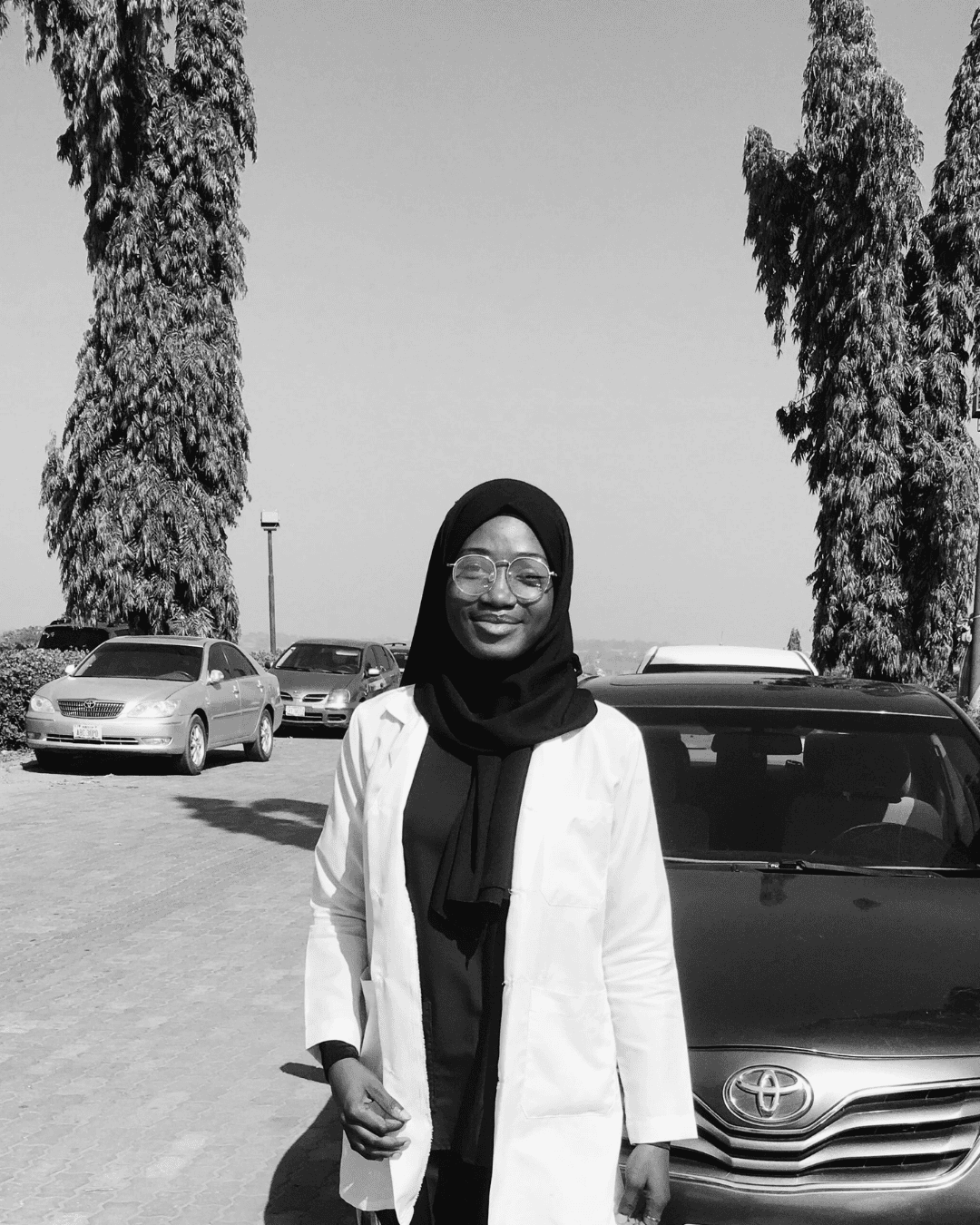
Saturdays are my “rest days” or at least they’re supposed to be. I usually spend the whole morning in bed, trying to squeeze out more rest from my tired body. Of course, the laundry, dishes, and general cleaning don’t do themselves, but I keep pushing them aside. Because the truth is, once Sunday morning comes, the weekend is over. And honestly, there was never really a weekend to begin with for a medical student.
Every evening is another opportunity to attend calls at Accident and Emergency, just to get the logbook filled. And every weekday? It feels like a mountain of activities is waiting for you. All of it has to be signed off by doctors who themselves are already overwhelmed by impossible schedules.
I spend most of my day in the hospital. By the time I get back at night, I’m so exhausted that food barely matters. Some days, I have only had breakfast and maybe a snack in between, before I just go straight to bed. Sleep becomes more important than eating. By Friday evening, the result is the same: a pounding headache from lack of proper meals and good sleep.
People ask me, “Why do you look so thin?” And I never really know how to explain that I don’t have the luxury of practising the healthy lifestyle I preach. Maybe it’s just medical school in Nigeria. Maybe the standards are simply too high for the limited resources we have. Here, nothing works the way it should: not the training, not the practice, not the care. Poor amenities, unimaginable workloads, and too few health practitioners undermine everything, no thanks to the japa syndrome.
It’s been three weeks since we last had power. At first, I thought the national grid had collapsed again. But no, it turns out the collapse only happened in my teaching hospital. This shortage costs lives. More deaths in the hospital than usual. Basic lab tests become inaccessible, and patients die on operating tables. I’ve been in surgeries where we, the students, had to switch on our phone flashlights just so the procedure could continue.
At the hostel, solar power was meant to be our saving grace. Unfortunately, lightning struck the machine in my block about five months ago, so that option is gone. Now, we make do with a generator that runs for just two hours a day, in the few days they are generous to put it on.
And that’s where the real struggle shows. Between trying to cook, attend classes, read, or go on call duty at the hospital, I’m always torn. Something has to give. And I have to do all the giving while exhausted.
They say every phase of life should be enjoyed, that someday it will all be a memory worth sharing. But am I really enjoying this struggle? By the time I finally graduate, it will have been almost a decade of chasing one degree. The pandemic in 2020 and the ASUU strike of 2022 stretched this journey longer than I could have imagined. Life still feels pretty much the same, but I’m learning to be grateful for little progress.
It feels like yesterday when I left home for school, clueless about what this path really held for me. Do I regret it? Not at all. As the saying goes, what doesn’t kill you makes you stronger. And that’s exactly what this journey has done for me: it has taught me resilience, patience, and gratitude in the middle of struggle. I may not have figured it all out yet, but one thing is clear: I’m thankful for the journey so far.
As narrated by: Radiyah Muhyideen (Ilorin, Nigeria).
This snippet is published as part of the series, Surviving Medical School.
Discover more from Chronycles
Subscribe to get the latest posts sent to your email.
Published by