October 12, 2023, was a memorable one for me. It was only my 4th day working as a doctor in the Gastroenterology unit at UITH. That day, I had done my ward rounds, collecting vitals and visiting more than four wards to see my patients and ensure they were doing well. It was a Thursday. And Thursdays were particularly chill for medicine house officers. We were expected to just show up somewhere around 10 am for departmental grand rounds/morbidity and mortality reviews (M&M) and thereafter take charge of all the patients in our respective units. We’d communicate any difficulties with patient management to our superiors during rounds. Typically, by 4 pm, I should be done and home. Except that on this particular Thursday, my unit was on call at the emergency department. So I’d be expected to keep working and managing patients for the next 24 hours, i.e., until at least 4 pm the next day.
It was my first emergency call as a doctor. And although I had been to that emergency room countless times as a student, I felt lost in the enormous responsibilities that stared at me the moment I introduced myself as the new house officer. The medical emergency is usually a chaotic scene. From nurses screaming at potters to get blood or wheel oxygen tanks, to relatives of recently deceased wailing behind a moving stretcher bearing the deceased body, to doctors scrambling from one patient to the other, using whatever was at their disposal to save lives, even when the generator runs out of fuel.
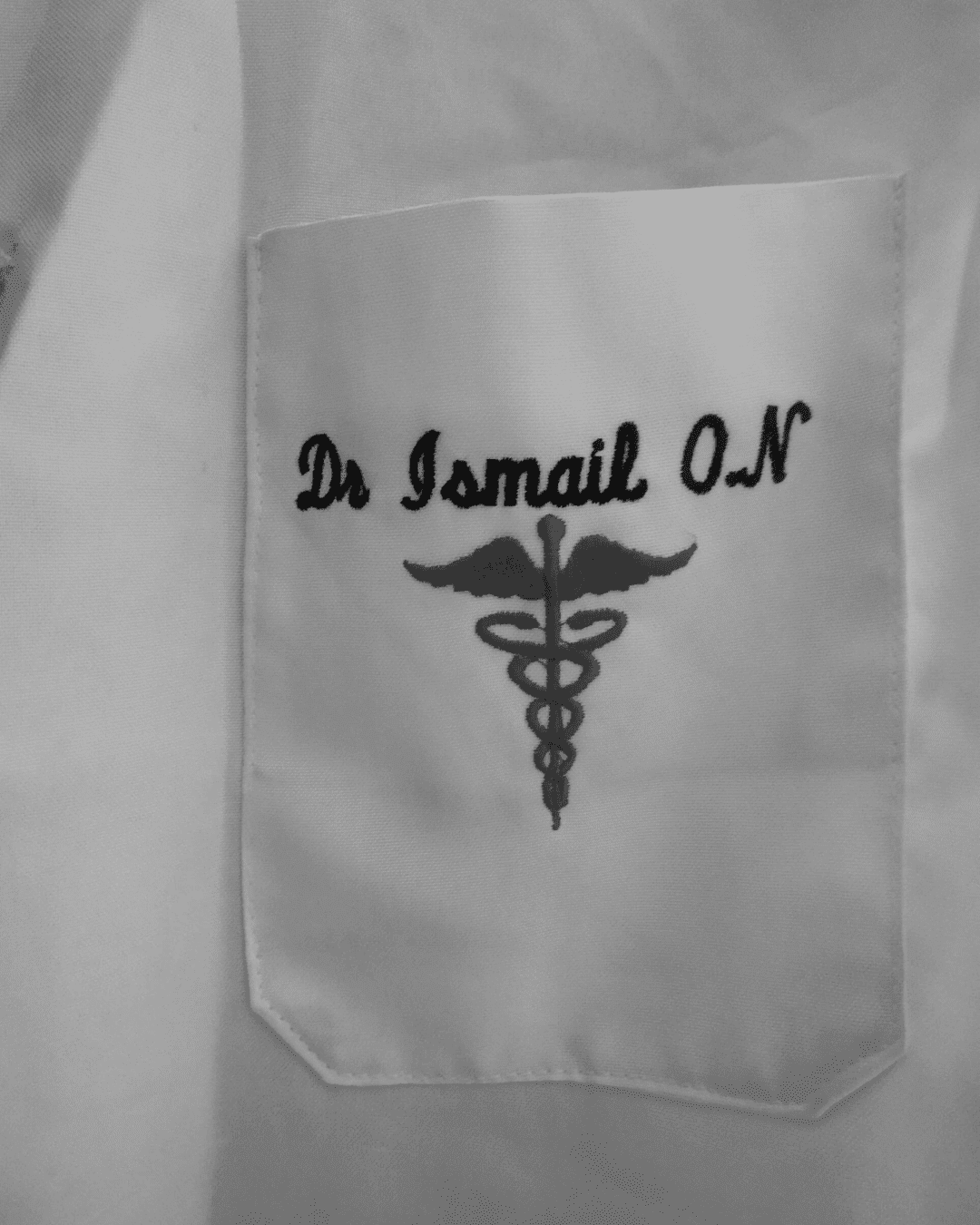
I quickly scanned the room. Okay, I am about to get this finely ironed, sparkling white ward coat of mine dirty, I thought. Each doctor cadre has its own job description in the emergency room. As the junior-most doctor, I am saddled with the hardest labour. From taking vitals to ensuring patients receive hospital supplies to securing IV access and taking blood samples to updating treatment sheets, and even documenting for my superior. It was undoubtedly going to be a long night, and depending on your superior and patient load, you may not even get to nap the whole night. The ER was full of patients that day… but among the multitudes, one patient caught my attention.
Mrs R.A., a 40+ year old known asthmatic woman who had defaulted on clinic follow-up for years, was rushed to the E.R. by her husband and son with features suggestive of acute severe asthma. At the time of her review, her respiratory distress was so severe that she could not even complete a sentence. Her relatives, as usual, concocted a story of how this was their first time in the hospital and downplayed the severity of her symptoms. She was quickly placed on oxygen, nebulised with salbutamol, and given other intravenous medications to help relieve her symptoms immediately. She was sitting on her hospital bed, leaning forward, legs stretched out on the bed, oxygen mask on, and breathing at a record 60 cycles per minute with a loud wheeze. The chest was florid. Her husband and son were standing beside her, gisting about something, presumably undisturbed. According to them, she’d had severe exacerbations like this in the past, and as before, she’d be fine.
Our consultant reviewed her and ordered more frequent nebulisation before moving to review the next patient.
Hours later, she had still not been nebulised again. Something about the nurses waiting for the generator to be put on before they can use the nebuliser. By the time the light was finally put on, and she was moved to the nebuliser plug point, we heard a scream. She collapsed to the floor. It was now around midnight that day. My registrar and I were the only ones left at the emergency at the time. We rushed to the scene.
Her chest had gone silent. Absent peripheral pulses. She was gasping. She’d gone into cardiac arrest. And her oxygen saturation was down to around 40%.
We commenced CPR. Thirsty chest compressions to two ventilatory blows. Her previously not-so-concerned husband and son broke down in tears, with prayers and chants. I didn’t have enough strength to compress the chest for long, so I was sent off to inject her with adrenaline whilst my registrar did the compression. By this time, I had lost my composure. It was my first call as a doctor. First time I’d come face-to-face with a patient dying right on my watch as a doctor. I struggled to inject the drug. I had tears dripping down my face, my hands shaking… I couldn’t even locate the vein. And I had to be quick with it.
Eventually, an experienced matron who had been ventilating her noticed how much I was struggling and collected the syringe from me. Then I was back to ambu bagging to inflate the patient’s lungs, and taking turns compressing the chest with my registrar. I was crying uncontrollably like a baby with each chest thud I gave. I couldn’t help it.
After close to 20 minutes of intense resuscitation, she was back. We felt pulses again, and the chest began to move. She stopped gasping, and oxygen saturation began to improve. A breath of relief for everyone around her.
But we were weary. In this part of the world, a cardiac arrest is almost always a bad prognosis. I had not heard of any patient surviving for long after CPR throughout my clinicals as a medical student. So, I was almost convinced her resuscitation could be temporary.
The nurses took over all the other plans we had for her, whilst we were called to the triage to see another emergency that had just arrived.
That night, I didn’t sleep. By morning, I had lost track of the number of patients on my watch. I didn’t even notice the woman we had resuscitated. All I knew was that no one died throughout that call. Like zombies, once it was morning, we continued with the day’s work and handed over patients to their respective specialist units for further management. The woman was sent to the pulmonology unit for further care. She seemed better that morning but not out of the woods yet. I was still quite sceptical.
Three days later, I had almost forgotten all about that call because I had done another one. The frequency of medicine calls is crazy. We were on call every three days. So before recovering from one, you are already in another. It was a Monday, ward rounds day. As I approached the ward, I saw a not-so-familiar face greeting and thanking me with all the excitement in the world. I didn’t really recognise him, but responded in kind. Then I stepped into the Female Medical Ward. And as I moved to the right-hand corner of the ward, I saw the woman, gisting loudly with her relatives whilst munching on the bowl of food in front of her. She was in the same posture, sitting on the bed, legs outstretched, leaning forward … just that there was no oxygen mask on her, no wheeze, and her respiratory rate was normal. She was laughing and cracking jokes. She barely recognised me. Then her husband, who was the man I had seen in the corridor of the wards, walked in. He continued to thank me and reminded her that I was part of the team that saved her life.
I was full of joy. My fatigued self was revived. My chest swelled with pride. She made it out of the woods. She’d make it moving forward, I said to myself as I smiled my way into satisfaction, out of that ward.
Throughout the rest of my house job, I still saw her come in and leave the hospital for follow-up and readmission. But more than 98% of all the other CPRs I’d participated in didn’t get the same chance the woman had at survival. Hers was a remarkable recovery and was undoubtedly a huge highlight of my house job year.
As narrated by: Dr Ni’mah Obansa (Ilorin, Nigeria).
This snippet is published as part of the series, Surviving Medical School.
Discover more from Chronycles
Subscribe to get the latest posts sent to your email.

Published by