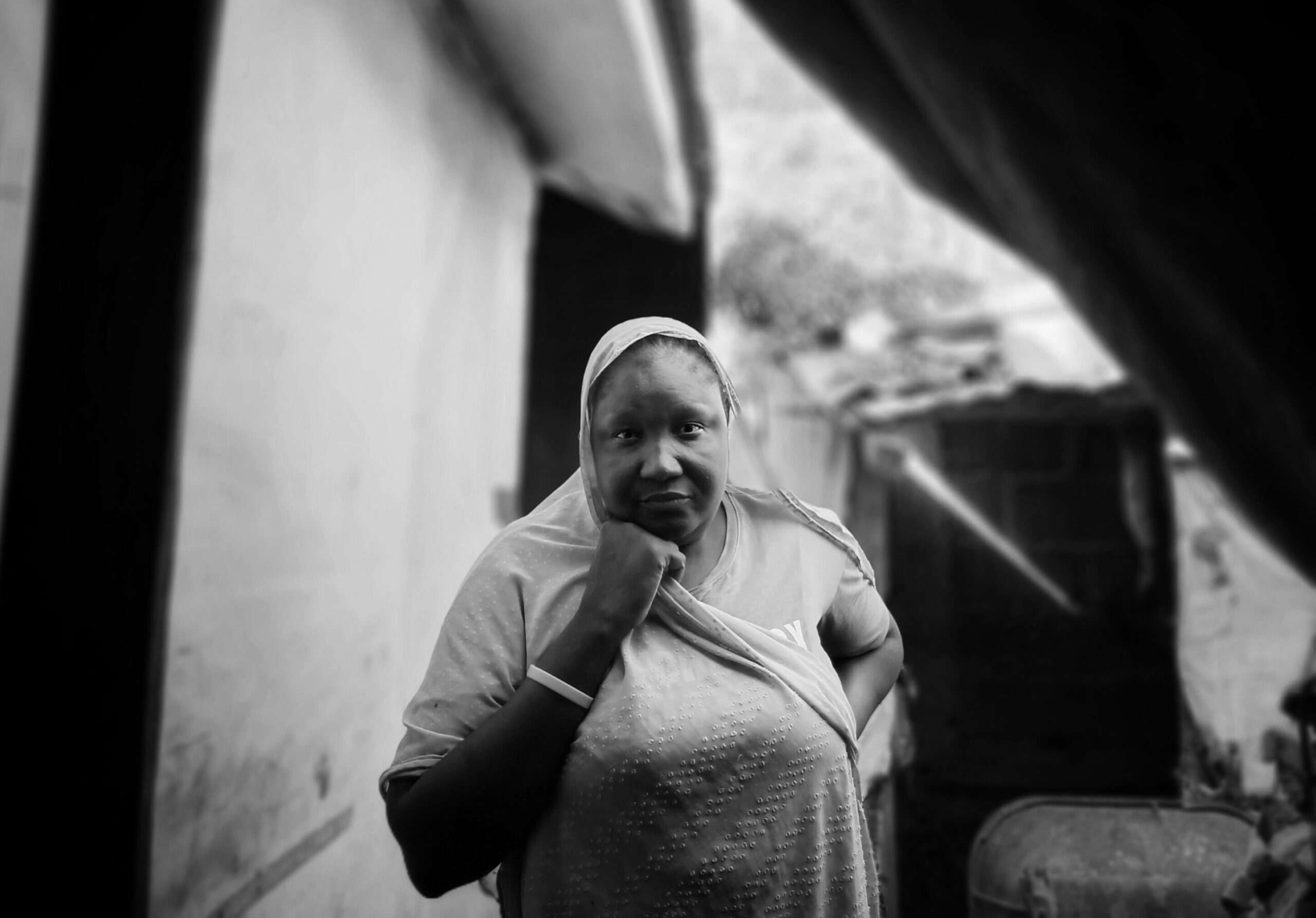
In late 2025, I visited some of the few existing displacement camps in remote towns of Adamawa state. It was a quest to uncover the hidden HIV and tuberculosis crisis among Nigeria’s internally displaced persons. Among those who shared their stories with me was Rebecca, whose experience stood out. It is the story of fleeing insurgency and then battling with tuberculosis as a mother in an IDP camp.
When I learned how thin my skin could be was the night the rain found us sleeping in the forest and we woke up with our clothes heavy as river stones. I remember the cold crawling up from my feet and settling inside my lungs. I had been walking for days, carrying a child on my back with the kind of fear that does not leave your head even when your body is exhausted. I was pregnant then, and I was climbing the cliffs with other mothers like me alongside their children. That was when the cough began. By the time it started raining, the cough had gotten worse.
Once, my life had a rhythm. I traded rice and beans in bulk in Gwoza, Borno state. I knew the weight of sacks by the calluses on my palms. I knew which buyer in the market would bargain until sunset and which woman always tipped her head when the price was fair. I got married in Gwoza. I had my first child at twenty-four. Life there felt ordinary, which is to say it felt safe. Those days are the brightest frames in my memory. It was when I had something meaningful going on in my life.
Then 2014 came. At first, the strangers who walked into our village looked like ordinary people. They did not come in one massive group. They arrived as people do — one by one, two by two. For days, they smiled and sat with us and listened. They were spying, watching, learning the heartbeat of our town. We noticed them, of course. Some of us said nothing, some of us whispered, some of us shrugged because we didn’t know how bad it would get.
The first time they killed someone openly, it was on a weekend. They came in the day and left, killing a man who could not hear and taking three women. We searched and searched. One of them was my neighbour; they later found her years later deep in the Sambisa forest. It was then that we stopped calling it an attack and started calling it a decision: to run or to be taken. We fled in dribs and drabs. Fleeing was not a choice; it was the only sensible move left.
We ran and went to Michika, but even Michika was not safe. So, we ran off to Mubi. Then Mubi was attacked again. That was when we ran into Yola. We ran with what could be carried: a pot, a wrapper, a child, and whatever could be of help. There were times I thought the world would be kinder to a woman with a baby and a pregnant woman like me. There were times I thought people would stop a while and offer us shelter. Mostly, they looked at us and turned their faces to the road.

We slept when we found a place, and were often exposed to rainfall. I slept for two days inside water, with the mud making a pattern on my body and the cold stealing the sleep from my eyes. I cooked at three in the morning. Some elders could not walk fast and my small girl lagged behind. I could not leave them; I could not leave my parents-in-law or my daughter to starve. So I cooked when it was still dark to avoid the terrorists likely hiding in the bush from seeing the smoke. Then I would wrap the food in leaves before we moved again. It was during that escape, sleeping on the ground in the forest, that the cough crept in.
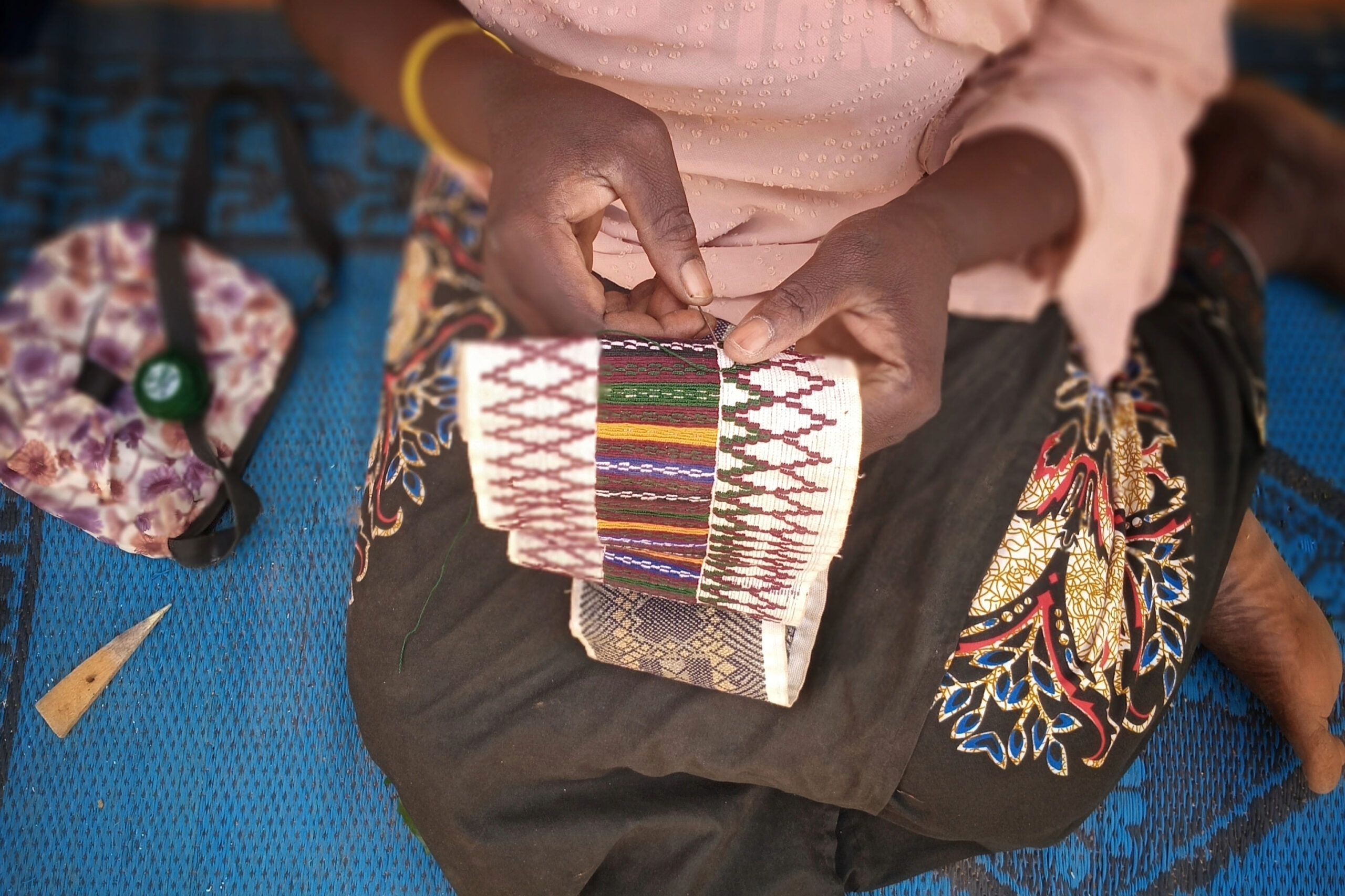
Later, when we settled here in the camp, the doctor said it was tuberculosis. Before, I would make caps and sell foodstuffs. I would earn eleven thousand naira in a month, sometimes fourteen thousand. I would buy a sack of pepper and sell small bunches, earning me a three-thousand-naira profit. I sewed three caps in two weeks when I was well. Now I cannot even make one in a month. The doctor told me I must stop. “No stress,” they said. But what is a woman to do who cannot sit still? I felt like someone who had been healthy all her life and suddenly had to learn how to live with pain.
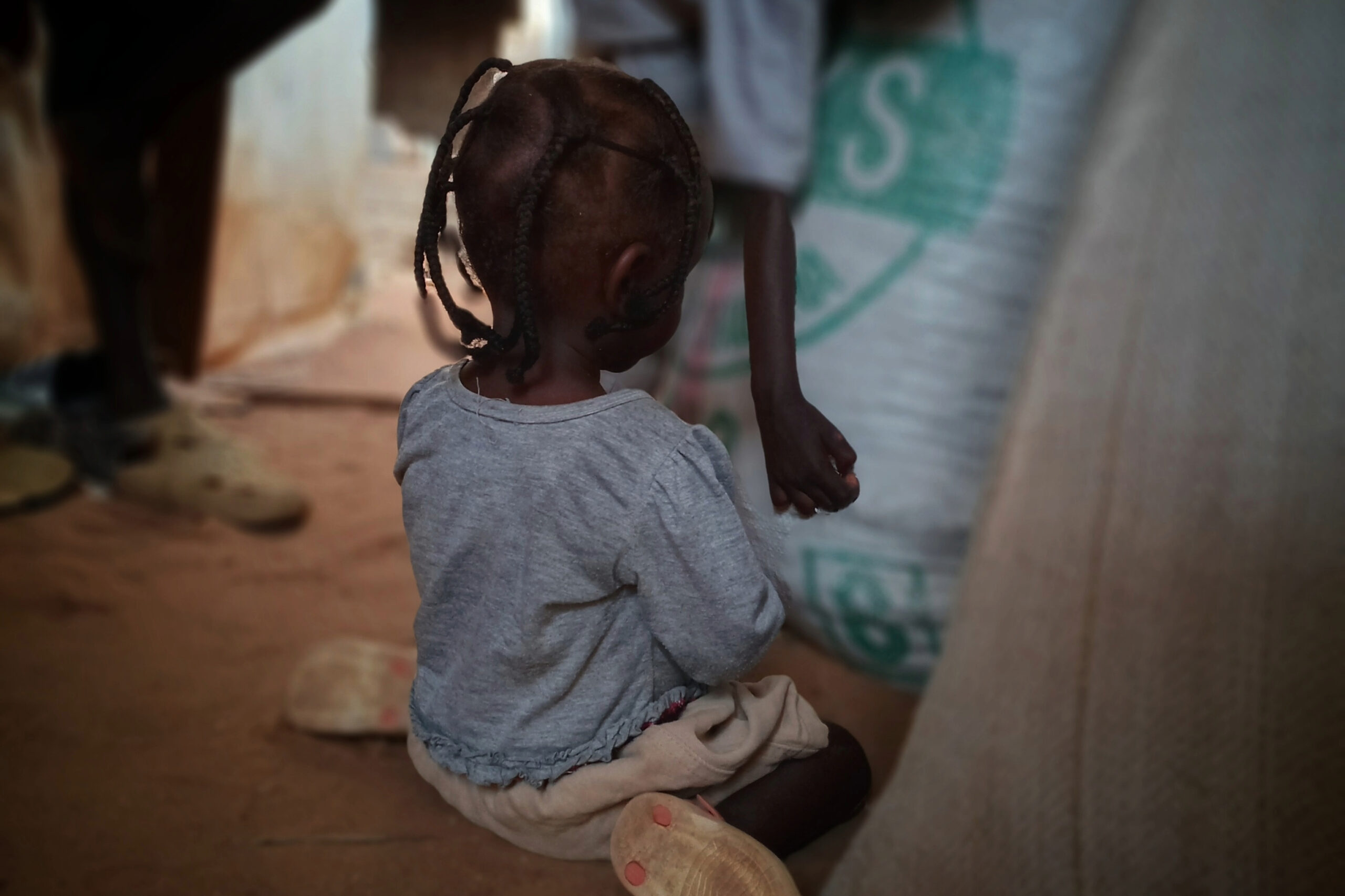
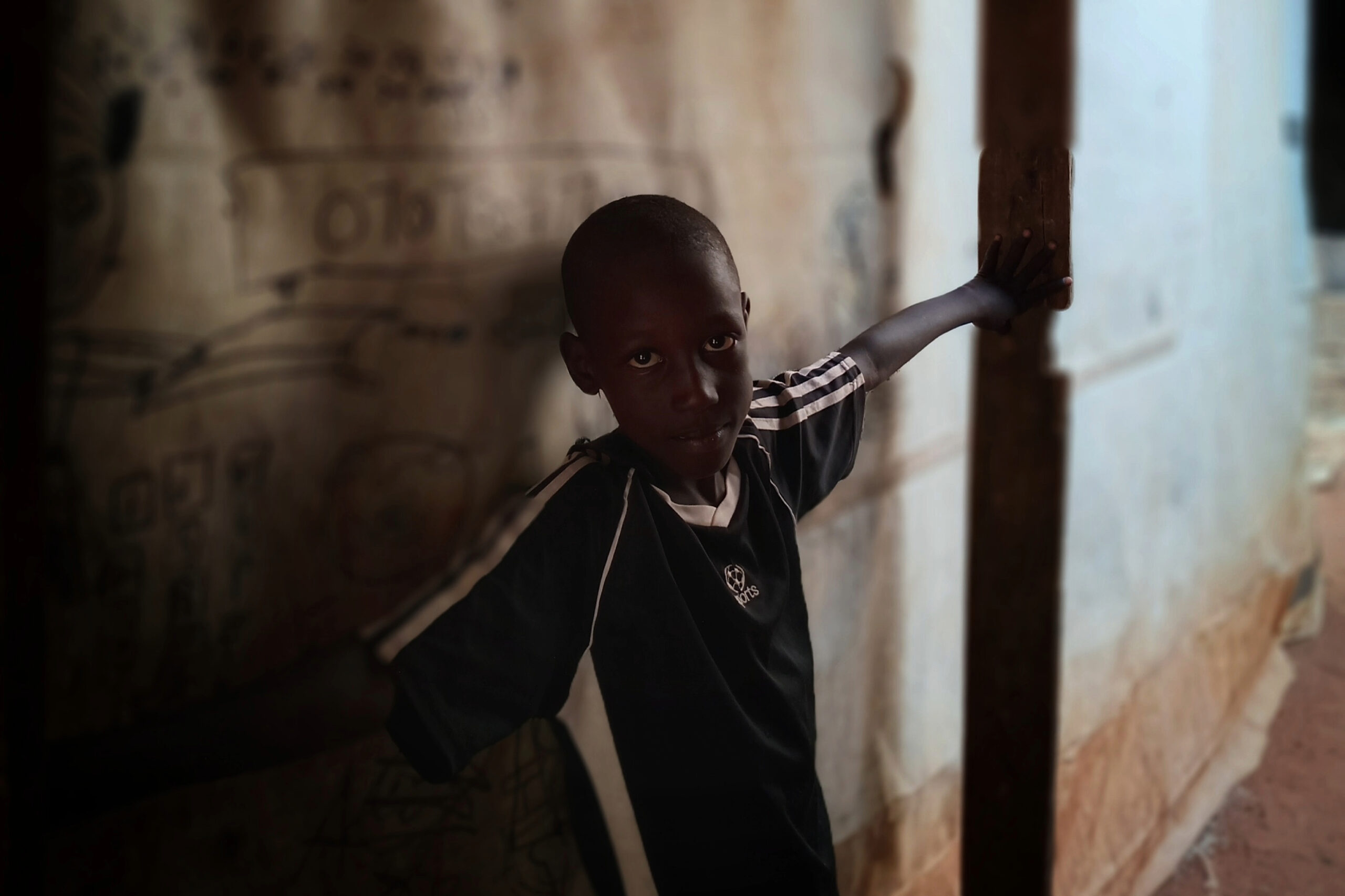
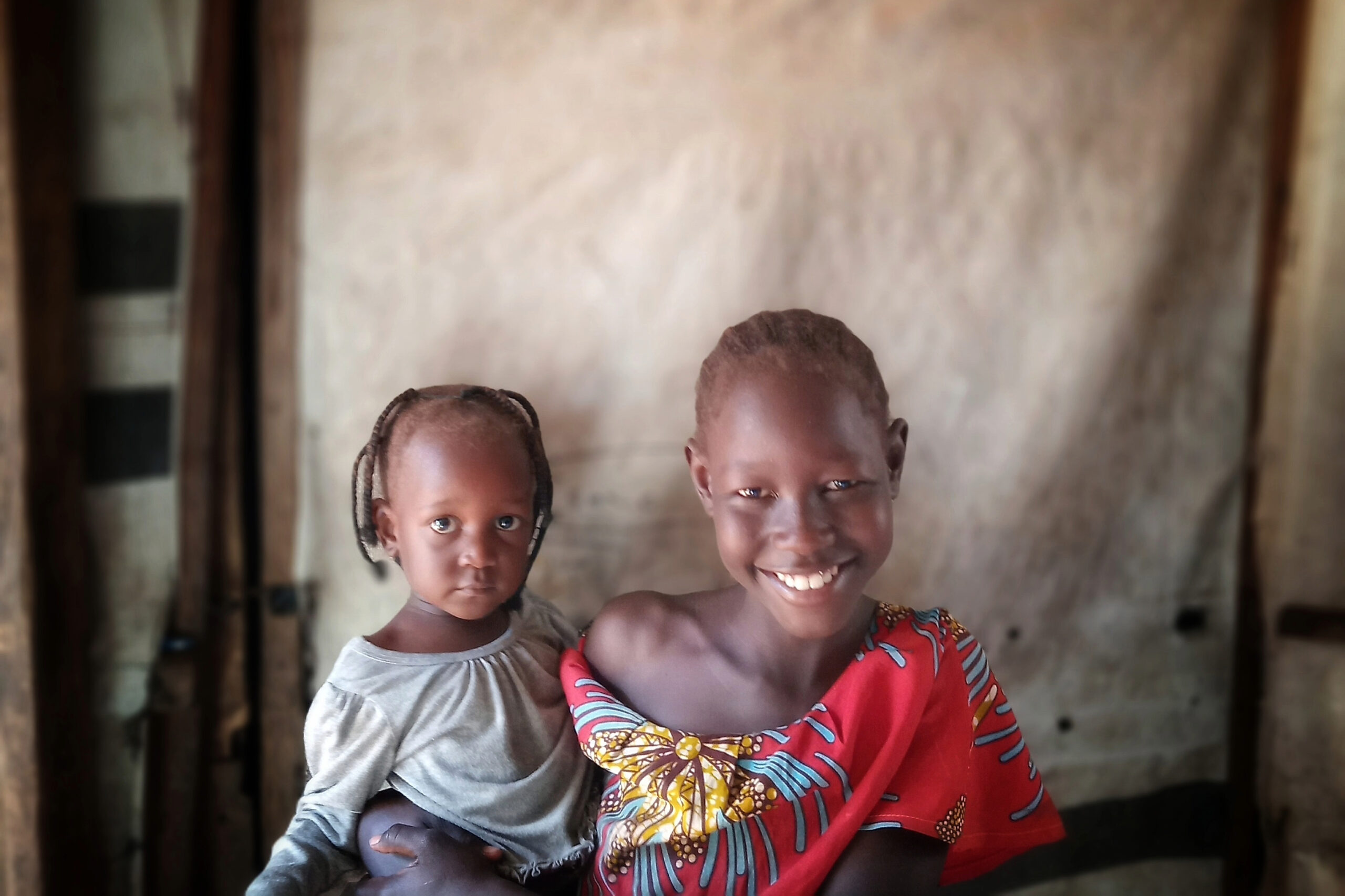
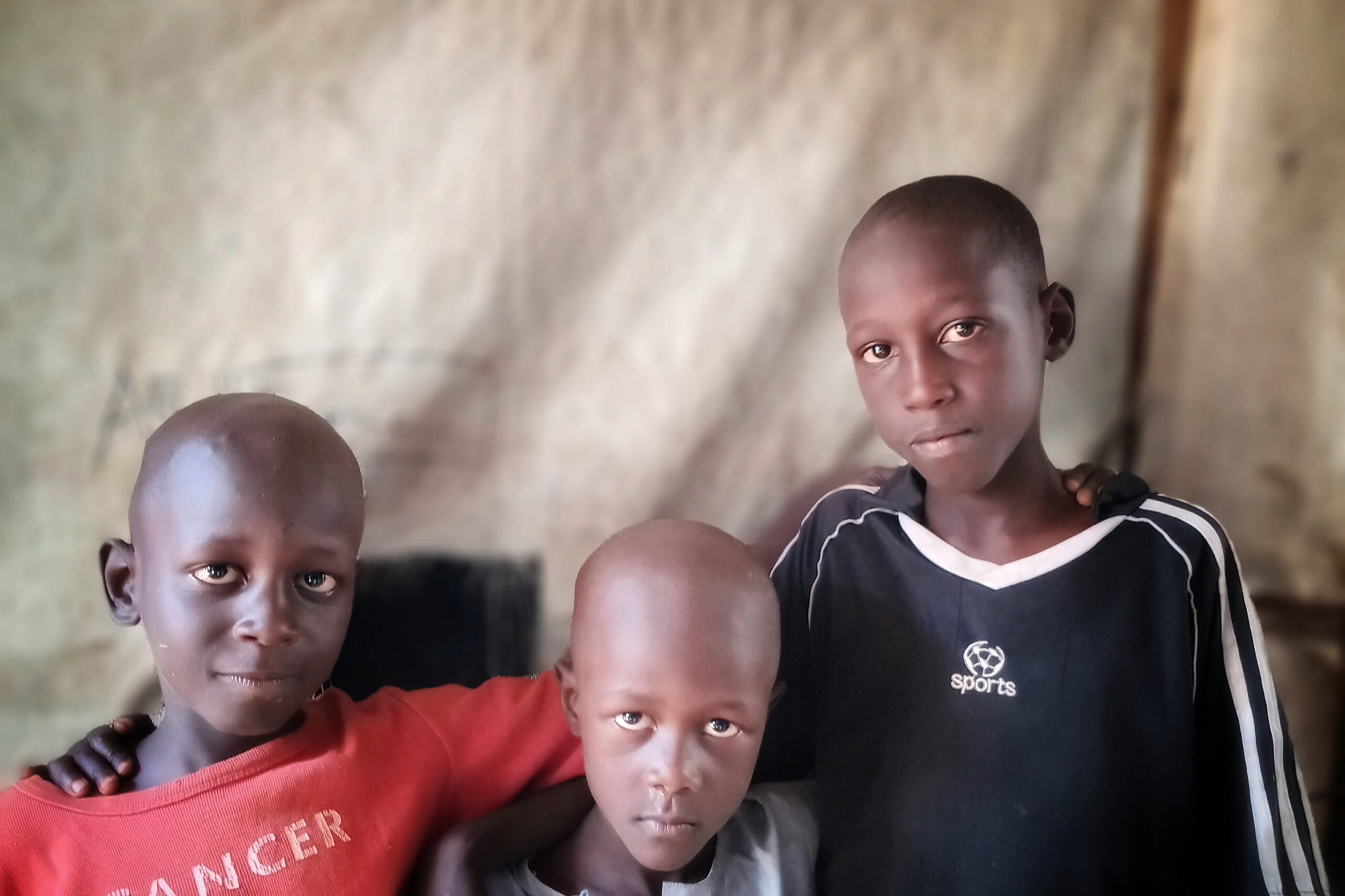
I have children. Some days I say five, other days six. I have an eighteen-year-old daughter who has the stubbornness of youth, an eleven-year-old who learns from the market, an eight-year-old, a six-year-old who loves to climb on my back, a four-year-old who insists on being carried all the time, and a baby — one year and six months old — who never stops demanding everything. There is also a child who grew up with me, though she is my sister’s; she does so much to hold the house together.


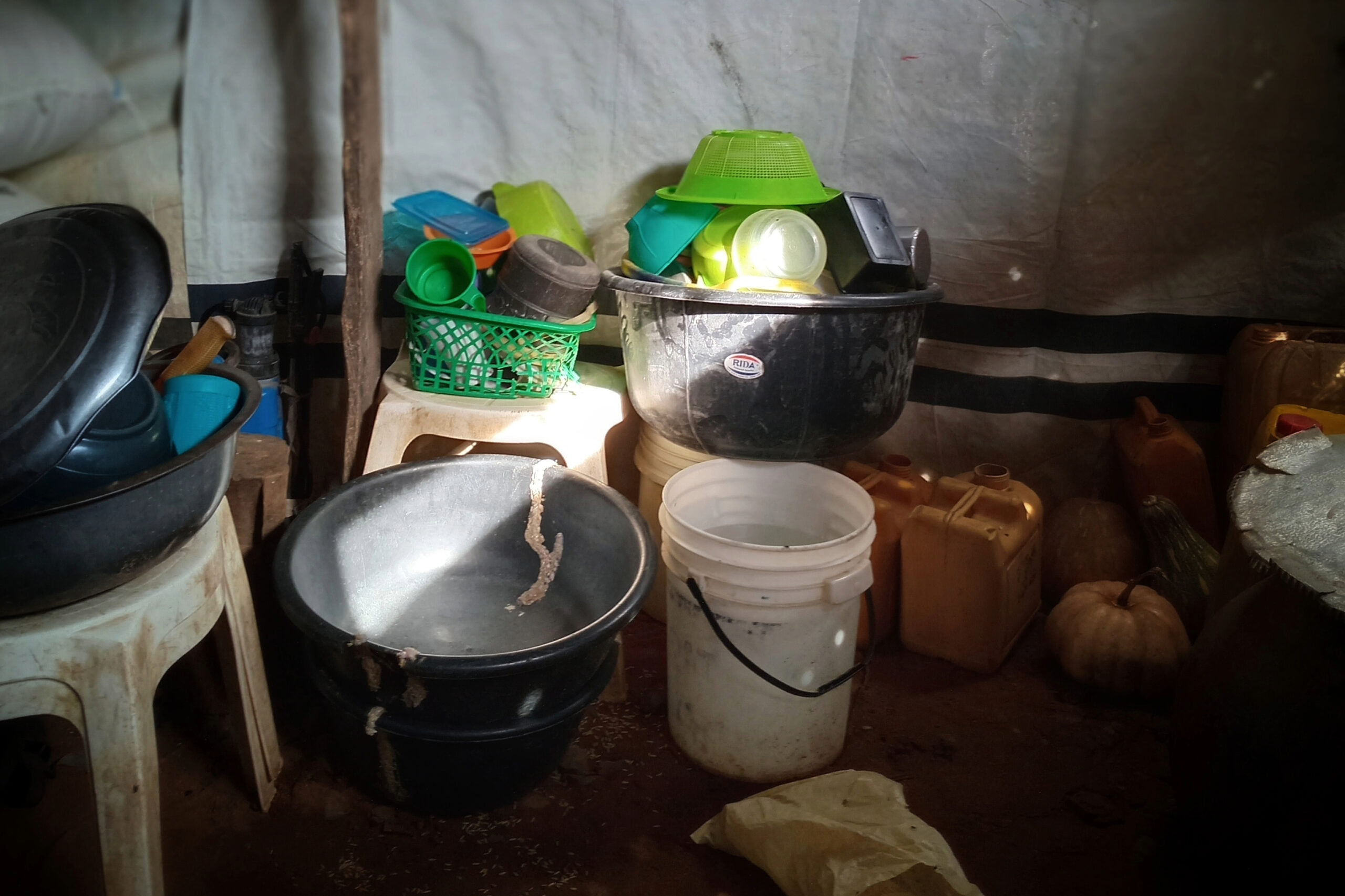
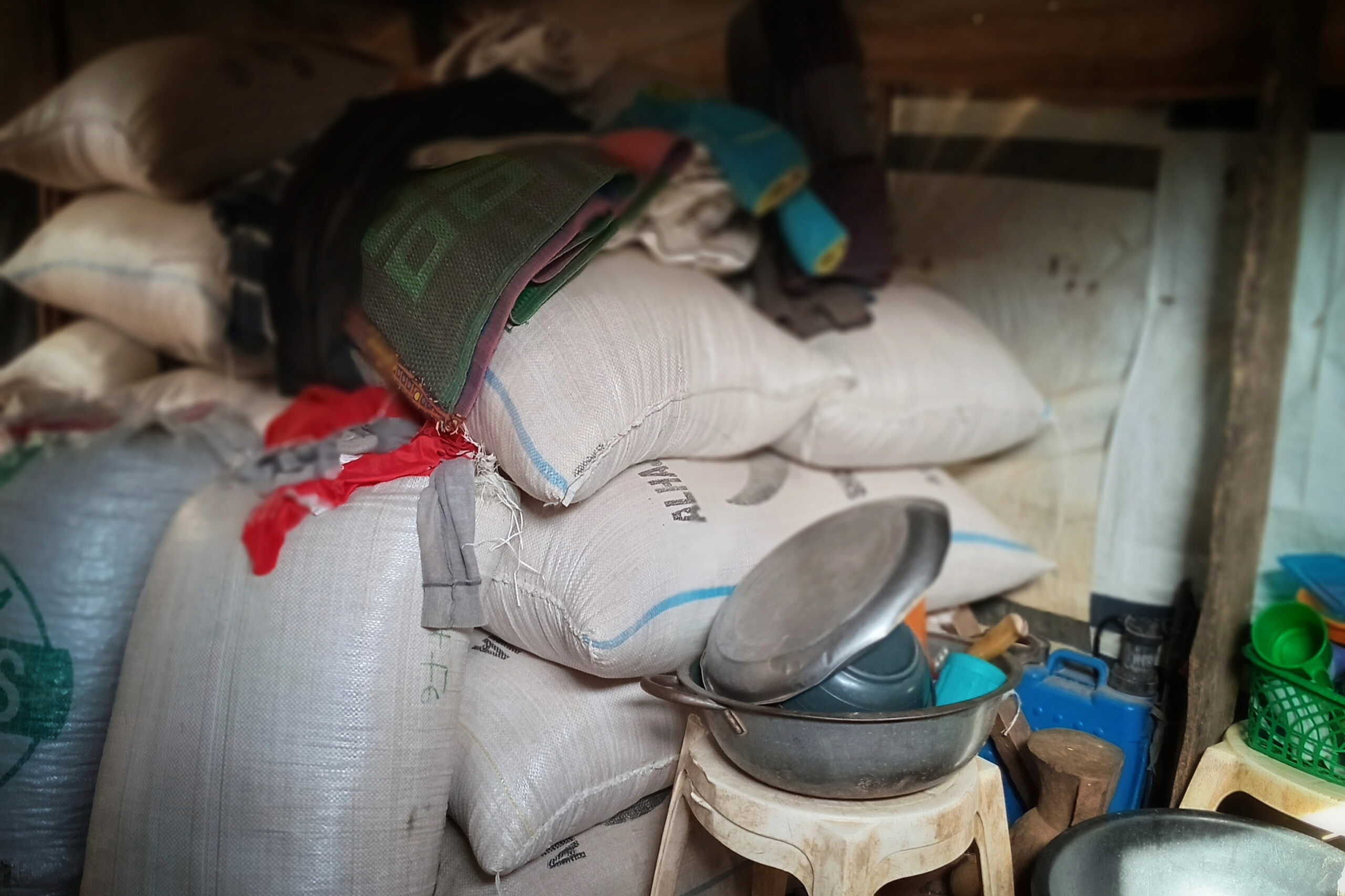
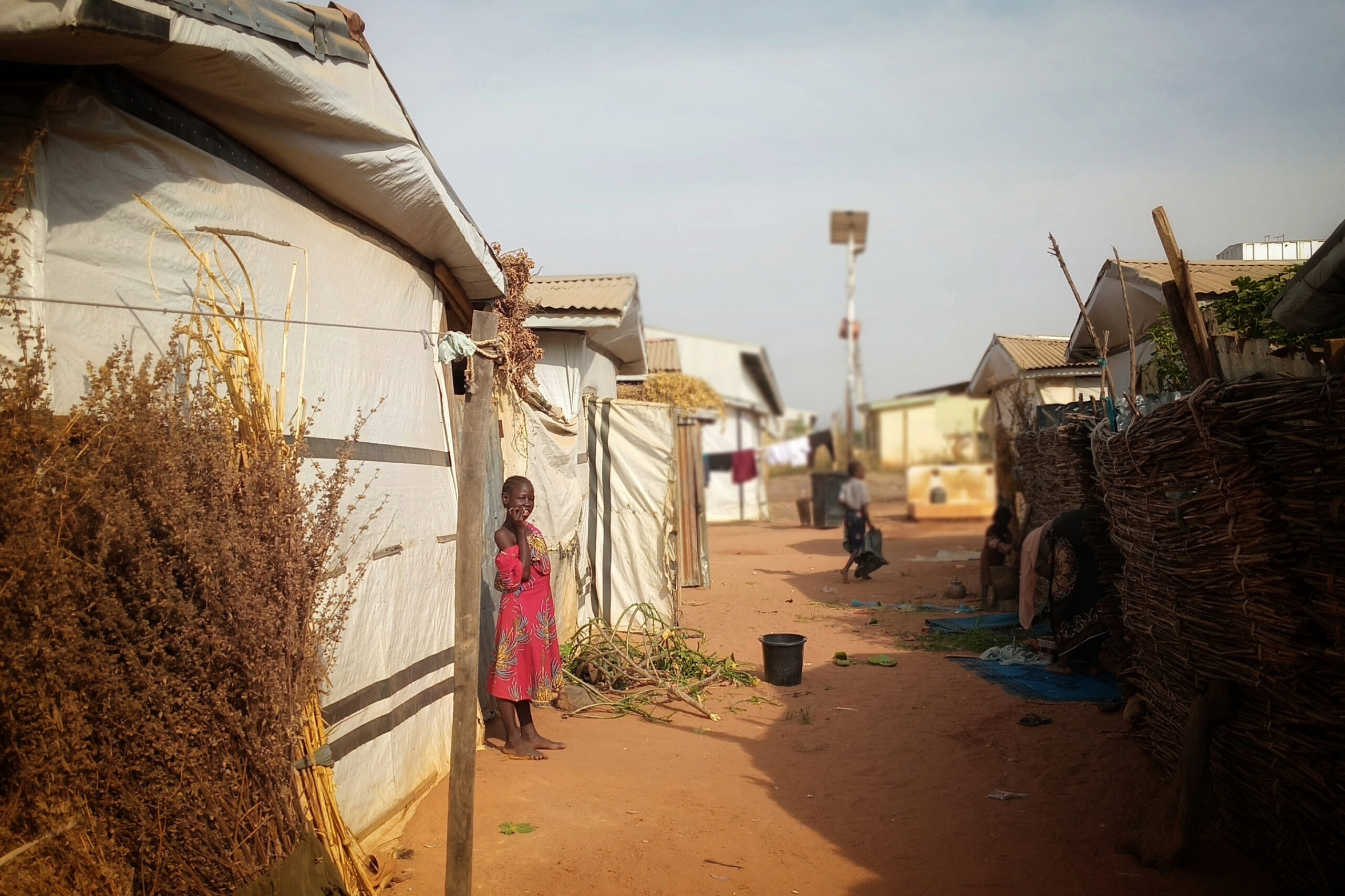
We arrived at the Damare IDP camp and stitched a life together out of what little we had. My husband works when he can. He is our support system. He finds some business here and there — mostly by working for others on their farms. He brings home money and the small medicines that keep my cough at bay for a while, but the shame of not being able to provide for my children’s school fees eats at me. I want my children to go to school. I am tired of always telling them the same things I was told as a child. But paying for their school fees is a war we lose most of the time. My children will have to wait at home until we find the fee. The oldest tries to help. She is only eighteen, but she is already making choices I should have to make.
The medicines I take are not the prescribed ones by the doctor. The doctor told me there’s medicine at the DOT centre, but how do I get it? Where do I get the money to go, since no one is helping us to bring the medicine to the camp? I just bought small tablets from the chemist. Each sachet costs one hundred and fifty naira. If I can buy one or two, the relief lasts only a few days. There is a name for the tablets I take — Sebetamol, Triamol. The doctor at FMC saw me once and then I went to another hospital where they tried to treat me. Sometimes they looked at my face, and inside their eyes, I saw the way people look at illnesses they cannot fix. They told me to rest. They told me to stop making caps. They told me that stress will worsen the sickness.
The hardest thing, harder than the cough that wakes me up at night, is how people change when you get an illness. People here in the camp see tuberculosis as something you can catch just by sharing cups or a mat. They step back when I talk. If not for my children and husband, it would be harder. There was a woman in the camp who had just given birth. I took one of my daughter’s wrappers — a simple cloth — and gave it to her. I thought nothing of it. I thought that was what women do. A few days later, I went to her door and watched as she packed the wrapper and ordered her children to burn it. She had told me her children would wash it. Instead, they burned it. I asked her, and she said I had already given it to her. That was her way of saying I was not wanted near the life she had just made.
Was I angry? Yes. But I do not take it personally. I understand fear is a hard thing, and it will teach people to put distance between themselves and anything that looks like danger. Still, my children and my husband do not shun me. They weep when my cough gets bad. They stand beside me at night, especially my eldest daughter, who will sleep last just to make sure I breathe through the night.
I ask myself sometimes if I resent those who sent us running. I do. I also know that if Boko Haram had not come, I would not have been sleeping for two days in water and my lungs might have been well today. If not for the violence, I would have kept trading rice and beans, taken my children to school, made caps, and come home happily to my family.
No one is helping us here. Just like you came today, other people also come and ask about my health. People from organisations, or neighbours who bring food and say, “How are you?” You learn to say you are fine because it makes the world less heavy. They make promises. “We will see what we can do,” they say, and they leave, and I never hear back from them. I try not to think too much about the promises. Time has taught me that kindness does not always come in the form you expect.
I often think about Gwoza. Sometimes, I let myself imagine going back there. But this is my life now, and I cannot unmake what happened. Who can? I do not know what will become of us. I do not know if we will ever go back to Gwoza. I do not know if my cough will ever loosen its grip. What I do know is that all I have for now are my children and my husband … every morning I wake and my children are there.
I do not want this life that makes me look like a danger to others. I am a mother too; I am the woman who teaches her children to respect others. I am the one who corrects them when they do something wrong, and I am also the woman who teaches them to be on their best behaviour. I do not want to be reduced to an illness.
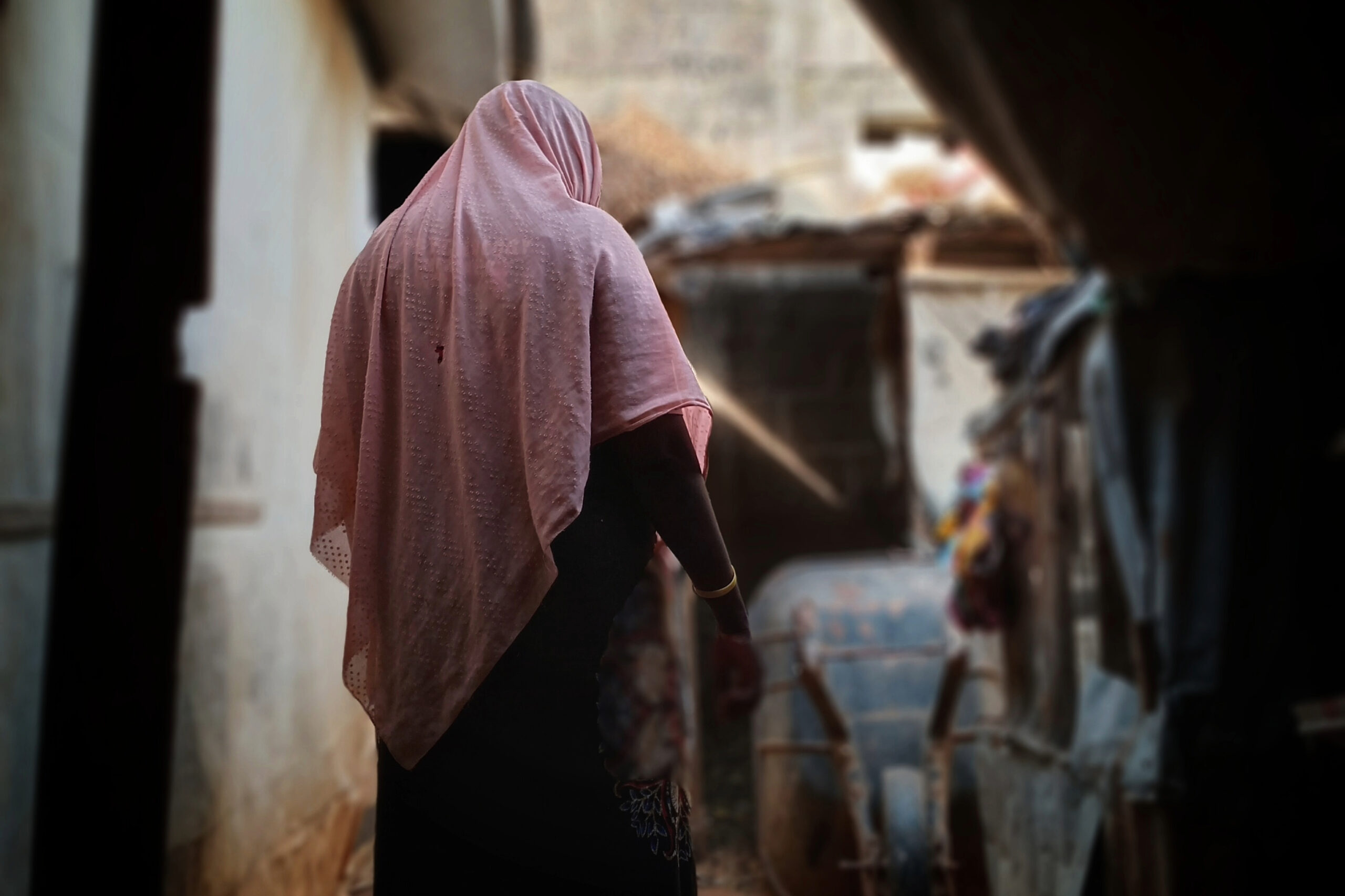
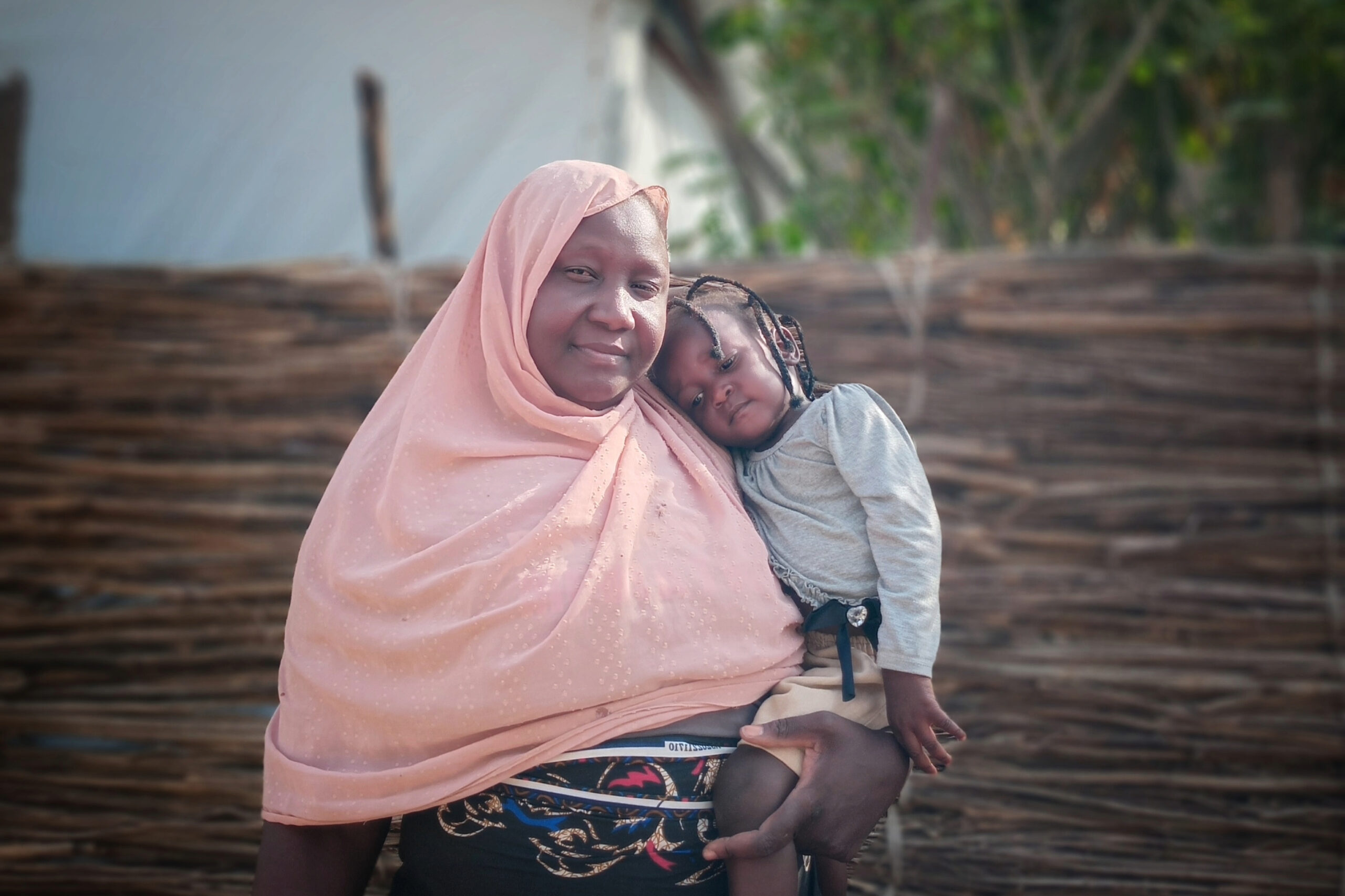
As narrated by: Rebecca Emmanuel (Girei, Nigeria).
Discover more from Chronycles
Subscribe to get the latest posts sent to your email.

Published by